News
AI-enabled Public Safety Across Canada’s Corridor Cities
A data-driven update on AI-enabled public safety and disaster response across Canada's corridor cities (Toronto, Montreal, Vancouver, Waterloo).
 Steph Moreau
Tech Forum reports that 2026 is shaping up as a pivotal year for AI-enabled public safety and disaster response across Canada’s corridor cities (Toronto, Montreal, Vancouver, Waterloo). A cross-city benchmarking effort is emerging as governments, utilities, transit agencies, and law enforcement build common AI-enabled capabilities to improve readiness, response times, and resilience. This evolving program—grounded in real-world pilots and governed by evolving AI governance practices—signals a shift from isolated pilots to a more coordinated, learning-centric approach to urban safety and disaster readiness. The broader context for these developments includes federal AI governance initiatives, municipal AI adoption programs, and city-led safety pilots that are already underway in each of the four cities. (techforum.ca)
Across the corridor, Toronto, Montreal, Vancouver, and Waterloo are advancing AI-enhanced safety and risk-management programs that range from transit and public safety technology pilots to city governance initiatives. In Toronto, officials announced a broader plan to use data-informed approaches to safety, including AI-assisted processes within transit and police collaborations, while the city continues to roll out edge-case safety features and data governance practices. In Vancouver, the department has deployed cutting-edge AI-enabled tools, including drone-based capabilities and real-time translation for frontline officers, framed around responsible data handling and privacy safeguards. In Montreal, the city is piloting AI-enhanced traffic management concepts and drone-assisted monitoring to mitigate congested corridors and improve incident response, alongside a formalized AI governance structure at the municipal level. And in Waterloo, the federal AI strategy centering on government AI adoption aligns with the region’s identity as a technology hub and a university-anchored ecosystem for AI research and talent. These multi-city efforts reflect a coordinated push to mainstream AI within public safety and disaster response. (ttc.ca)
Section 1: What Happened
Cross-City Benchmark Launch
A coordinated, city-to-city safety initiative takes shape

Photo by Graciela Martin on Unsplash
In 2026, Tech Forum highlighted the emergence of a cross-city benchmarking effort focused on AI-enabled public safety and disaster response across Canada’s corridor cities—Toronto, Montreal, Vancouver, and Waterloo. The piece describes a multi-stakeholder push to raise resilience through shared AI governance, cross-city learning, and joint experimentation with AI-enabled safety and disaster-response workflows. This initiative is driven by government programs, industry partnerships, and academic research, with cities adopting common benchmarks, data-sharing practices, and performance metrics to compare progress and identify best practices. The coverage underscores the movement toward sovereign AI governance for critical infrastructure and public safety workloads as a central feature of Canada’s urban technology agenda. (techforum.ca)
Early pilots and the path to scale
Several real-world pilots and programmatic efforts in the four cities serve as the backbone of this cross-city benchmark. In Toronto, safety and security improvements for transit have come with AI-assisted initiatives designed to enhance detection and response in crowded environments, and the city has outlined a broader focus on data-informed decision-making for public safety. In parallel, Toronto’s broader public safety ecosystem has benefited from ongoing federal AI governance conversations and university-led AI research that emphasize responsible deployment and governance in government operations. The federal AI strategy, launched in 2025 and anchored at the University of Waterloo, situates the Toronto-to-Waterloo corridor as a core node for AI experimentation in public services. (ttc.ca)
In Montreal, the cross-city program intersects with the city’s AI governance model and its practical use cases for safety and mobility. The city has been actively testing AI-enabled approaches for traffic management and incident detection, including drone-enabled monitoring of urban mobility corridors and AI-assisted signaling to prioritize safety during roadwork. Montreal’s public safety governance also features a cross-departmental AI governance committee, designed to ensure ethical, legal, and transparent AI deployment at city scale. (tvanouvelles.ca)
In Vancouver, the cross-city effort aligns with the Vancouver Police Department’s ongoing technology deployments, including AI-enabled tools that improve situational awareness, decision-making, and dispatch coordination with privacy safeguards and governance controls. Vancouver’s approach emphasizes the integration of AI within existing public safety workflows, coupled with robust data governance to protect privacy and ensure accountability. The department’s recent technology announcements emphasize responsible AI, data protection, and the ability to share insights across responding units and partner agencies. (vpd.ca)
In Waterloo, the AI strategy launched by the federal government in 2025—announced at the University of Waterloo—cements the region as a core hub for AI-enabled public sector experimentation. The initiative outlines a framework for AI governance, talent development, and responsible use, which dovetails with local university-research activity and public-sector pilots across the corridor. Waterloo’s role in this cross-city benchmark reflects the convergence of government policy, academic research, and industry to advance AI-enabled public safety and disaster response at scale. (canada.ca)
City-Specific Pilot Programs
Toronto: AI-assisted safety and transit governance
The Toronto context features AI-oriented safety enhancements as part of a broader safety and security program for the city’s transit network. The May 2026 TTC release confirms the installation of an AI-assisted track intrusion warning system pilot, along with a broader plan to expand data-informed safety measures, 3rd-party partnerships, and in-station security enhancements. The rollout is positioned as a critical component of a wider safety strategy designed to reduce disruption and improve response times while maintaining public trust and privacy safeguards. These actions align with Toronto’s ongoing data-driven safety initiatives and broader governance discussions around AI in municipal services. (ttc.ca)
Montreal: AI, drones, and traffic management experiments
Montreal’s approach to AI-enabled public safety and disaster response includes testing AI and drone-enabled solutions to untangle complex traffic patterns and optimize the use of space during peak congestion. In June 2026, Montreal officials announced UAV and AI-assisted traffic management pilots intended to detect and respond to construction zones, unsafe traffic scenarios, and other mobility disturbances. The municipality highlighted a broader effort to modernize mobility safety with AI while signaling an ethical and governance framework for deployment, including a cross-departmental governance mechanism. (tvanouvelles.ca)
Vancouver: Public safety tech advances
Vancouver’s public safety innovations in 2026 center on integrating AI-enabled tools into frontline operations and command centers. The city’s published release details drones, body-worn camera enhancements, real-time translation capabilities, and integrated platforms that improve decision-making and response coordination. The Vancouver implementation emphasizes responsible AI, data governance, and secure data handling, with a design that supports cross-agency collaboration and auditability. The deployment underscores the city’s aim to elevate public safety while maintaining rigorous privacy standards and accountable governance. (vpd.ca)
Waterloo: Federal AI strategy alignment and regional AI ecosystem
The March 2025 AI strategy launch at the University of Waterloo anchors the region’s participation in the federal public service AI program. The strategy aims to establish an AI Center of Expertise, secure and responsible AI use, talent development, and governance transparency. This alignment with the Waterloo ecosystem—home to universities, research labs, and a thriving tech sector—positions Waterloo as a key node in the corridor for AI-enabled public safety and disaster response experimentation and deployment. (canada.ca)
Section 2: Why It Matters
Impact on Public Safety and Disaster Response
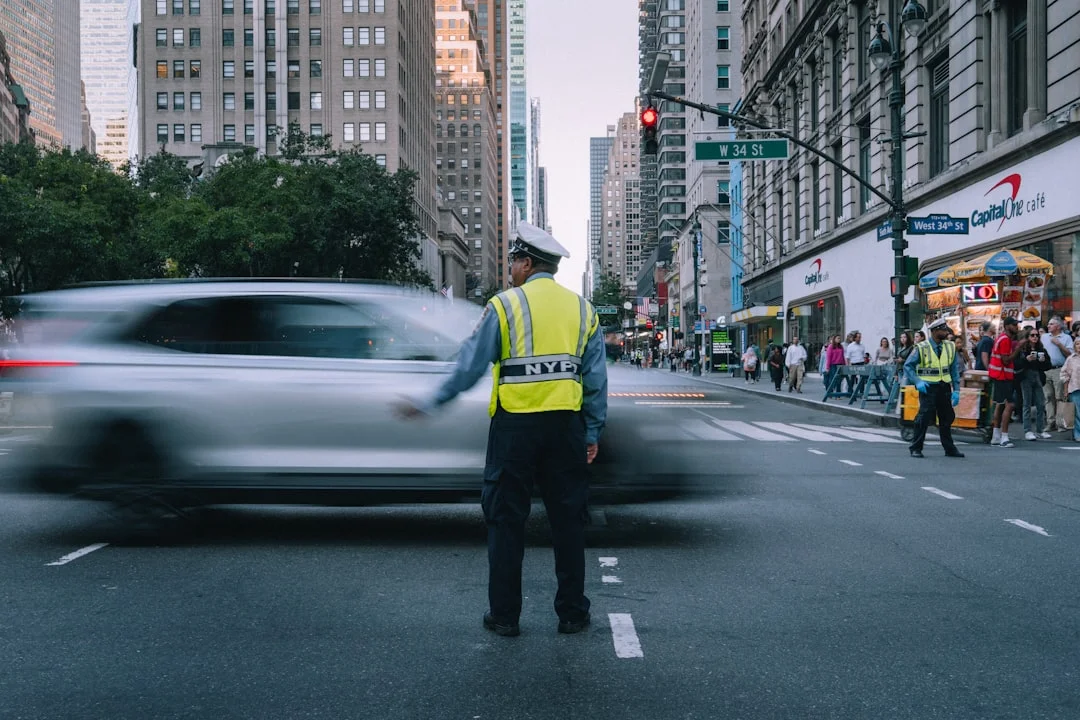
Photo by Georgi Kalaydzhiev on Unsplash
Improved response times and decision quality
Early pilots across Toronto, Montreal, Vancouver, and Waterloo illustrate how AI-enabled safety tools can shorten detection-to-response cycles, improve resource coordination, and provide richer situational awareness to responders. For example, Vancouver’s AI-enabled tools, including real-time data sharing and analytics integration, are designed to accelerate decision-making and enhance coordination across responding units. The VPD emphasizes that these technologies are intended to augment human decision-making with accountable safeguards and auditable data practices. This is a core objective of the cross-city benchmark—to lift performance while maintaining human oversight and transparency. (vpd.ca)
Governance, privacy, and ethics as core design principles
A critical thread across these initiatives is a strong emphasis on governance and privacy. Vancouver’s program explicitly describes responsible AI and data-use safeguards, including secure data handling, controlled access, and auditability. Montreal’s governance approach includes a cross-departmental AI governance committee charged with ensuring ethical and transparent AI deployments. Montreal’s AI governance framework, cited in OECD guidance, underscores seven guiding principles—necessity, ethics, explainability, security, human oversight, continuous improvement, and accountability. This governance approach is increasingly seen as essential to achieving legitimacy and public trust in AI-enabled public safety. (vpd.ca)
Workforce development and knowledge exchange
The corridor’s strategy also emphasizes workforce readiness and knowledge exchange. The federal AI strategy launched in Waterloo is explicitly designed to create training and talent pathways for AI adoption in government, reflecting a broader national push to build in-house AI capability for public services. The Ontario and national AI governance trajectory is further reinforced by the OECD’s smart-city notes, which highlight cross-city collaboration and the need for new governance capacity to manage AI deployments across municipal services. These developments are turning AI pilots into repeatable, scalable programs that can be shared across cities and sectors. (canada.ca)
The broader context: national leadership and cross-city learning
Canada’s AI strategy at the federal level, together with provincial and municipal AI governance efforts, positions the country as an emerging model for responsible, evidence-based AI adoption in public safety and disaster response. The federal strategy emphasizes security, ethics, transparency, and talent development as governance anchors. Montreal’s and Waterloo’s activities illustrate how city-level governance aligns with national objectives, creating a multi-layered approach to AI adoption that couples policy with practice. This alignment with national AI governance norms is an important enabler of the corridor-wide benchmarking effort. (canada.ca)
Who It Affects and Why It Matters Now
Citizens and frontline responders
For residents, the cross-city AI-enabled safety improvements promise faster incident detection, better resource deployment, and safer transit experiences. For responders, AI tools provide richer situational data, enabling more precise and timely actions while maintaining oversight and accountability. The VPD’s emphasis on privacy safeguards and the TTC’s safety-focused pilots illustrate how technology and governance are being balanced to protect civil liberties while enhancing public safety. (vpd.ca)
City economies and resilience planning
From a city-planning perspective, AI-enabled safety and disaster response capabilities can contribute to lower disruption costs during emergencies, improved evacuation efficiency, and more resilient infrastructure operations. OECD notes highlight how AI-driven systems can support safety and resilience while requiring careful governance, citizen engagement, and shared standards. Montreal’s traffic- and safety-focused AI applications—while still in early stages—represent a path to smarter, more resilient urban mobility. (oecd.org)
What the Market and Policymakers are Watching
Investment signals and procurement patterns

Photo by Jack Sharp on Unsplash
Observers are watching how cities invest in AI-enabled safety technologies, including procurement of AI platforms, data-sharing arrangements, analytics capabilities, and interoperable emergency systems. Vancouver’s and Montreal’s pilots showcase the deployment of purpose-built AI tools within public safety workflows, while Toronto’s and Waterloo’s programs reflect a broader national policy push to support AI adoption in the public sector. The government’s ongoing emphasis on AI governance and responsible use suggests that procurement will increasingly favor solutions that meet strict privacy, security, and accountability criteria. (vpd.ca)
Public trust and transparency
Public trust remains central to the success of AI-enabled safety programs. City governance structures—such as Montreal’s cross-departmental AI governance committee—are designed to provide oversight, transparency, and citizen engagement as core components of deployment. The OECD’s guidance emphasizes governance frameworks that ensure public trust, transparency, and accountability when AI is used in urban safety and disaster response. This alignment is essential for sustaining support for cross-city AI programs among residents and businesses. (oecd.org)
Section 3: What’s Next
Timeline and Next Steps
Short-term milestones to watch
- Ongoing pilots across Toronto, Montreal, Vancouver, and Waterloo are expected to expand, with additional data-sharing protocols and governance reviews designed to ensure privacy and accountability. The TTC’s 2026 focus on AI-assisted track intrusion and in-station safety enhancements indicates a multi-month rollout window in Toronto; similar cycles are likely in Vancouver and Montreal as pilots mature. (ttc.ca)
- Montreal’s AI and drone pilots for traffic management will continue through 2026, with potential extensions to additional corridors and hours based on early results and lessons learned. The city’s governance framework will guide these deployments to ensure alignment with public safety outcomes and ethical standards. (tvanouvelles.ca)
- Waterloo’s alignment with the federal AI strategy will continue to evolve as the AI Centre of Expertise and governance guides scale, with talent development and cross-department collaboration expanding within public service operations. (canada.ca)
Longer-term implications
- The cross-city benchmark could lead to standardized metrics for AI-enabled safety outcomes, enabling more apples-to-apples comparisons across cities and sectors. The OECD guidance highlights the importance of measurable impact, governance coherence, and citizen participation in making AI deployments sustainable and trustworthy. As the four cities collect and share performance data, policymakers and practitioners will gain clearer visibility into what AI approaches deliver real safety benefits, under what governance models, and for which communities. (oecd.org)
What to Watch for in 2027 and Beyond
- Expanded AI-enabled public safety pilots across the corridor, with evolving governance forums that share best practices and safety benchmarks.
- Deeper integration of AI into critical infrastructure resilience strategies, including predictive maintenance, incident forecasting, and rapid-response orchestration across transit, utility, and public safety networks.
- Broader public reporting and independent audits of AI-enabled safety programs to maintain transparency, legitimacy, and public confidence in AI-driven safety decisions.
- Ongoing alignment between municipal initiatives and national AI governance policies, ensuring that city-level deployments stay consistent with federal standards for security, privacy, and accountability.
Closing
The convergence of Toronto, Montreal, Vancouver, and Waterloo around AI-enabled public safety and disaster response reflects a broader global trend: cities increasingly rely on data-driven tools to anticipate threats, coordinate responders, and safeguard residents. What distinguishes Canada’s corridor approach is the explicit emphasis on governance, ethics, and cross-city learning, anchored by federal AI policy and strong municipal commitments to transparency. As these efforts move from pilot programs to scalable, city-wide capabilities, residents will want clear visibility into how data are used, how privacy is protected, and how results translate into safer, more resilient urban environments.
The corridor’s work will continue to unfold in the coming months, with pilots expanding and governance practices maturing. To stay updated on AI-enabled public safety and disaster response developments across Toronto, Montreal, Vancouver, and Waterloo, keep an eye on city announcements, provincial briefings, and national AI policy updates. For broader context and expert analysis, Tech Forum will continue to cover these cross-city developments as they evolve, highlighting both progress and the remaining challenges that accompany AI’s adoption in critical public safety functions. (ttc.ca)
About the author
Steph Moreau
Steph Moreau is a senior correspondent at Tech Forum, specializing in fintech, enterprise software, and venture capital. Her sharp analysis of funding rounds and market trends helps readers navigate Canada's evolving tech economy.
Keep reading
More from Tech Forum

Sovereign AI Accelerator Launches in Canada
Tech Forum analyzes the Sovereign AI Accelerator rollout, its goals, and market implications in a data-driven, neutral report.
Claire Bergeron / September 3, 2026
Lastwall Raises $16M to Boost Canadian Cyber Defense
Lastwall has secured a $16 million investment to enhance Canada’s cyber resilience, following its success in the U.S. federal market and FedRAMP…
Steph Moreau / September 2, 2026

Xanadu Quantum Technologies Funding Boosts Canada
Canada allocates CAD 195 million to Xanadu Quantum Technologies for expanding quantum manufacturing, boosting the nation's tech industry.
Marcus Yuen / September 1, 2026