News
AI-Enabled Critical Infrastructure Security 2026
Neutral, data-driven analysis of AI-enabled critical infrastructure security across Toronto, Montreal, Vancouver, and Waterloo in 2026.
 Steph Moreau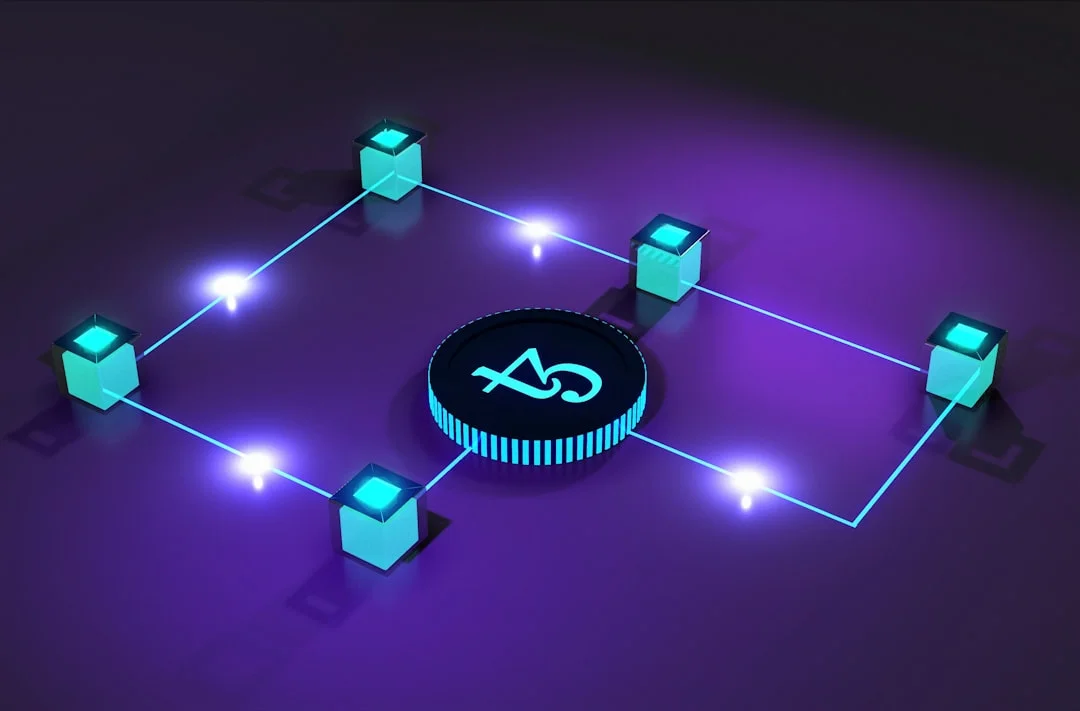
The year 2026 is shaping up as a pivot point for how Canada tackles the security of its most essential systems. Across major urban corridors and university labs, policymakers and private-sector partners are accelerating plans to strengthen resilience against AI-powered threats to critical infrastructure. This year’s announcements and events underscore a broad shift toward AI-enabled approaches to protect electricity grids, transit networks, telecommunications, water, and other vital services. The news is not just about new technology; it’s about coordinated policy, funding, and collaboration that aim to keep essential services online in the face of increasingly sophisticated cyber risks. AI-enabled critical infrastructure security across Toronto, Montreal, Vancouver, and Waterloo in 2026 is surfacing in government programs, industry partnerships, and academic research, signaling a multi-stakeholder push to raise resilience now rather than later. (canada.ca)
In parallel, federal, provincial, and municipal actors are spelling out practical steps to embed sovereignty and safety in AI-enabled compute and data-center strategies. A notable initiative, announced in April 2026, is the Critical Infrastructure Resilience and Escalated Threat Navigation (CIREN) program, created to help CI operators understand, prepare for, and practice responses to severe cyber incidents. The program’s emphasis on isolating systems, testing independent operation, and planning for rebuilding is designed to reduce downtime and guard public safety during worst‑case scenarios. The CIREN framework highlights how AI-enabled capabilities can both amplify threats and enable faster, smarter defenses when deployed with robust governance. The government’s release in mid‑April 2026 marks a clear signal that AI-augmented risks are central to Canada’s national security planning. (canada.ca)
Beyond federal action, cross-border and cross‑province collaborations are broadening the scope of AI‑driven security for CI. In May 2026, Canada’s government announced progress under its Enabling Large‑Scale Sovereign AI Data Centres program, a move to expand sovereign compute capacity in Canada and keep critical data and workloads on Canadian soil. The initiative, conducted in partnership with TELUS, aims to bolster domestic capability to support AI workloads while maintaining governance and data‑localization standards that many CI operators require. The Vancouver‑area announcement situates this effort in Western Canada’s tech economy and underscores how corporate and government partners are aligning around a national sovereignty impulse for AI infrastructure. (canada.ca)
In Montreal, researchers, industry, and government stakeholders are converging to discuss AI and critical infrastructure resilience in high‑profile forums. IBM’s Cyberconference 2026, held April 28–29 at the Palais des Congrès, featured sessions on sovereign AI architectures and quantum‑safe readiness, with a specific focus on securing critical infrastructure as AI becomes more autonomous. The event highlighted how governance, identity, and cryptography must come together to manage AI risk while preserving operational efficiency. Montreal’s status as a hub for cyber thought leadership this year reinforces the city’s role in shaping Canada’s CI security playbook. (ibm.com)
Toronto’s tech ecosystem is also actively convening around AI‑enabled CI security. On May 25, 2026, AiSecCon gathered security professionals on King Street West to explore “The Agentic SOC” and other topics directly tied to protecting Canada’s critical infrastructure frontlines. The conference agenda underscored practical risk management in an era when AI agents can influence, access, and operate critical systems. Toronto’s event roster reflects a broader urban intensification of CI security dialogues that connect policy, practice, and technology in real time. (siberx.org)
Meanwhile, Waterloo’s research community continues to push forward on AI safety and reliability with direct relevance to critical infrastructure. The Critical Machine Learning Lab at the University of Waterloo is pursuing safer, more efficient AI systems with applications spanning health care, aviation, and climate action. The lab’s work emphasizes safer decision-making in high‑stakes contexts, offering blueprints for how AI can augment human oversight without compromising resilience in critical services. Canada’s innovation ecosystems in Waterloo are contributing to a practical, research‑backed view of what works when AI is deployed in CI settings. (uwaterloo.ca)
Taken together, these developments reflect a multi‑layered approach to AI-enabled critical infrastructure security across Toronto, Montreal, Vancouver, and Waterloo in 2026. They also reveal a consistent theme: security and resilience must be built into AI systems from the start, not added as an afterthought. As Canada advances sovereign AI infrastructure and tightens governance around AI-enabled workloads, CI operators—utilities, transit agencies, telecoms, water authorities, and public safety systems—are recalibrating their risk models, investment plans, and incident response playbooks to reflect a more AI‑driven threat landscape. And they are doing it in the context of a rapidly evolving policy and market environment that combines government leadership, industry collaboration, and academic insight. The following sections unpack what happened, why it matters, and what to watch for next as 2026 unfolds. (canada.ca)
What Happened
Government-driven resilience initiatives and policy direction
Canada’s critical infrastructure agencies took concrete steps in 2026 to prepare CI operators for AI‑driven threats. On April 17, 2026, the Canadian Centre for Cyber Security launched the Critical Infrastructure Resilience and Escalated Threat Navigation (CIREN) initiative. CIREN is designed to help CI organizations understand, prepare for, and practice responding to severe cyber incidents, with explicit recognition that AI and automation are accelerating threat speed and scale. The three core actions—isolating critical systems for up to three months, developing and testing independent operation plans, and planning for rebuilding—are framed to maintain essential services during worst-case events and to accelerate a return to normal operations. The initiative’s emphasis on AI-enabled risk underscores a national strategy to make resilience a proactive, rather than reactive, outcome for CI operators. In the release, officials note that threats to CI include both state‑sponsored actors and criminal groups, and that AI‑driven capabilities are expanding both the attack surface and the defender’s toolset. (canada.ca)
May 11, 2026 brought another milestone in sovereignty and AI compute capacity. In a Vancouver, BC, release, Innovation, Science and Economic Development Canada announced that the government and TELUS are advancing work under the Enabling Large‑Scale Sovereign AI Data Centres program. The plan is to identify promising Canadian sovereign AI data centre projects and explore MOUs to accelerate the buildout of domestic compute capacity. The release emphasizes that Canada intends to host AI workloads such as regulatory, health, and security functions domestically, thereby supporting CI operators who require data localization and governance. This effort complements the CIREN program by ensuring that the compute backbone for AI-enabled CI tools remains within national borders and subject to Canadian oversight. (canada.ca)
Corporate partnerships and cross‑sector collaboration
The private sector’s role in AI infrastructure security continued to strengthen in 2026 as major players signaled a strategic pivot toward sovereign AI capabilities and safer OT/ICS integration. Bell and Celestica’s collaboration to advance a Canadian sovereign AI infrastructure stack, highlighted in late May 2026, is a notable example of how large telco networks, hardware manufacturers, and global AI platforms are aligning to support sensitive workloads that must remain within Canada. The partnership combines Bell’s hosted data center capabilities and Canada‑based network reach with Celestica’s hardware lifecycle and supply chain strength, enabling CI workloads—especially those in regulated sectors—to operate with higher assurance of data control, supply chain integrity, and regulatory compliance. This kind of collaboration signals a practical path to deploying AI-enabled CI tools without sacrificing sovereignty or security. (canada.ca)
Academic research and practical AI safety in CI contexts
Canadian universities are contributing to the AI safety and resilience narrative in tangible ways. The University of Waterloo’s Critical Machine Learning Lab is advancing AI systems designed to be safer, more efficient, and more equitable, with real‑world pilots in medicine, aviation, and climate action. The lab’s focus on safe, auditable AI informs the design of CI solutions that operate in safety‑critical environments, where decisions can have immediate public safety consequences. This work complements government and industry efforts by providing empirical data, governance insights, and transfer‑ready capabilities that CI operators can adopt as part of a broader resilience program. The Waterloo initiative also underscores the importance of energy efficiency and scalable AI that aligns with Canada’s climate and infrastructure goals. (uwaterloo.ca)
Public forums, conferences, and real-time knowledge exchange
Public events in 2026 have offered venues to translate policy and research into practice. The IBM Cyberconference 2026, held in Montreal, brought together public sector agencies, industry leaders, and researchers to discuss secure‑by‑design architectures for sovereign AI and quantum-safe readiness. The conference emphasized three connected themes: secure‑by‑design approaches to AI governance, identity and trust in an era of agentic AI, and a structured path to quantum‑safe transformation. The practical takeaway for CI operators is clear: governance and cryptography must be embedded into AI deployments from the outset to maintain trust and resilience in critical systems. (ibm.com)
In Toronto, AiSecCon 2026 on May 25 highlighted the operational realities of keeping critical infrastructure secure in the age of AI agents that can act autonomously. The event’s agenda, including sessions on edge AI for CI protection, digital identity and trust, and data integrity across AI supply chains, signals a strong appetite for practical, field-ready defense strategies. For CI stakeholders across Canada, AiSecCon offered a forum to compare lessons learned from other sectors, gauge the maturity of security controls, and identify gaps in policy, tooling, and workforce capability. (siberx.org)
Finally, the Western Canadian and Vancouver security ecosystem has also been active, with discussions around security summits and CI resilience as a central theme. While some event details are still developing, the public listings indicate a sustained focus on critical infrastructure resilience as a cross‑city priority. Vancouver’s security events network demonstrates how regional ecosystems connect to national priorities, echoing the federal push for sovereign AI infrastructure and robust incident response planning. (rebootcommunications.com)
Timeline snapshot: concrete dates and milestones
- January 2025–February 15, 2026: Government RFP process for enabling large-scale sovereign AI data centres; a key step toward domestic compute capacity. This indicates a policy and funding framework aligned with CI resilience needs. (canada.ca)
- April 17, 2026: CIREN initiative launched to help CI operators anticipate and respond to severe cyber incidents, with guidance emphasizing system isolation and independent operation during outages. This is the government’s formal acknowledgment that AI-enabled threats require structured, proactive defense. (canada.ca)
- April 28–29, 2026: IBM Cyberconference 2026 in Montreal focuses on cyber resilience, AI governance, and quantum-safe readiness, highlighting critical infrastructure resilience as a central theme. This reflects industry and academia alignment with policy priorities. (ibm.com)
- May 11, 2026: Vancouver, BC – Government of Canada and TELUS announce progress under sovereign AI data centre initiative to expand Canada’s compute capacity for AI workloads, reinforcing national sovereignty in CI contexts. (canada.ca)
- May 25, 2026: AiSecCon 2026 in Toronto on King Street West explores “The Agentic SOC” and other topics directly tied to securing Canada’s CI frontlines, signaling practical, in-market adoption of AI-enabled security strategies. (siberx.org)
- May–June 2026: Waterloo research dissemination and industry collaborations continue to emphasize safer AI for critical contexts, with ongoing engagement in industry partnerships and pilot projects that relate to CI risk management. (uwaterloo.ca)
Notes on current gaps: While the momentum is clear, some specifics—such as multi-city, centralized governance bodies for AI-enabled CI across Toronto, Montreal, Vancouver, and Waterloo in 2026—remain in flux as agencies, cities, and private partners refine leadership roles and funding allocations. The public record highlights many adjacent or supportive efforts rather than a single nationwide program that mirrors one city’s approach in isolation. That said, the convergence of CIREN, sovereign AI compute initiatives, and high‑profile CI security events in 2026 strongly suggests a broader, cross‑city pattern of activity that readers should watch as the year progresses. For CI operators, this means aligning procurement, risk management, and incident response with evolving government guidance and industry best practices that are being codified in real time. (canada.ca)
Why It Matters
Implications for critical infrastructure operators

Photo by Stephen McFadden on Unsplash
The push to strengthen AI-enabled CI security is not simply a theoretical exercise. Utilities, transit authorities, telecommunications operators, and water services must prepare for interruptions that could cascade through urban life and national markets. CIREN’s focus on isolating critical systems and maintaining essential services during severe cyber incidents is a practical blueprint for resilience. It recognizes that AI-enabled tools can accelerate both the speed and sophistication of attacks, but it also expands defenders’ capabilities by enabling rapid detection, automated containment, and accelerated recovery when properly governed. For CI operators, the path forward involves integrating CIREN guidance into existing disaster recovery plans, maturing cyber incident playbooks, and investing in training that covers AI‑assisted threat hunting, rapid containment, and public safety communications. The overarching message is clear: resilience is a continuous capability, not a one-off project. (canada.ca)
The sovereignty narrative—ensuring that AI compute and underlying data stay under Canadian governance—addresses a core concern for CI operators that must maintain regulatory compliance and public trust. Sovereign AI data centres and domestic compute capacity are intended to anchor AI workloads in ways that reduce regulatory risk and increase transparency for critical services. For operators, this translates into more predictable licensing, auditing, and control over model behavior, data stewardship, and supply chains. The public sector emphasis on data localization complements industry investments in safer hardware lifecycles and more transparent AI governance models. These alignments aim to reduce exposure to geopolitical and supply‑chain risks that could otherwise threaten CI operations. (canada.ca)
Policy and regulatory context
Canada’s approach to AI and CI security in 2026 sits at the intersection of cybersecurity readiness and digital sovereignty. The CIREN program and the sovereign AI compute initiative reflect a policy arc that treats AI-enabled capabilities as both potential accelerants for threats and essential tools for resilience. Policymakers are balancing urgent defensive needs with the realities of a rapidly evolving AI landscape, including the rise of autonomous AI agents, post‑quantum cryptography concerns, and data governance requirements for critical sectors. These policy developments are complemented by global discussions—such as NIST’s work on trustworthy AI for critical infrastructure and industry forums addressing governance gaps in AI usage for CI—highlighting a broader international trend toward standardized risk management, transparency, and resilience in AI-enabled systems. For CI operators, staying aligned with both national guidance and international best practices will be important as standards mature. (industrialcyber.co)
Economic and workforce impact
The Canadian push toward sovereign AI infrastructure and AI‑driven CI security has meaningful implications for jobs, investment, and regional economic activity. The sovereign compute initiatives are intended to attract AI workloads while maintaining regulatory control, with implications for data center construction, hardware supply chains, and ongoing security operations. The Bell-Celestica collaboration adds a concrete example of how domestic manufacturing and services ecosystems are weaving into CI security, potentially creating local job opportunities and advancing domestic capabilities in secure AI deployments. In parallel, university research—such as Waterloo’s safety-focused AI work—demonstrates a pipeline of skilled graduates and researchers who can support CI resilience initiatives, from design to deployment. Collectively, these efforts indicate that Canada’s four corridors—Toronto, Montreal, Vancouver, and Waterloo—are likely to see sustained investment in AI-assisted CI solutions and related workforce development in the near term. (canada.ca)
Balanced perspectives: opportunities and risks
Proponents argue that AI-enabled CI security offers faster threat detection, smarter response, and more robust resilience for critical services. They point to targeted government programs, sovereign compute capacity, and industry collaborations as proof that Canada is building a durable framework for AI in CI. Critics, however, may emphasize governance complexity, potential over‑reliance on AI for critical decisions, and the risk that rapid deployment outpaces the maturation of safety, auditing, and accountability mechanisms. To address these concerns, the public and private sectors are increasingly connecting cyber risk management with governance, risk, and compliance (GRC) programs, making use of expert guidance from bodies like NIST and international security forums. The evolving discourse acknowledges both the opportunities and the need for careful risk management, particularly as AI-enabled systems become more integral to critical operations. (industrialcyber.co)
What’s Next
Timeline and milestones to watch
- 2026–2027: Expect continued refinement of CIREN guidelines and expansion of CI‑focus threat simulations, with more CI operators adopting independent operation planning and system isolation strategies during severe incidents. The government’s April 2026 CIREN launch sets a baseline for these activities, with ongoing outreach and training to ensure broad adoption across Canadian CI sectors. (canada.ca)
- 2026–2027: Sovereign AI data centre projects and MOUs are likely to move from feasibility to procurement and construction phases in select provinces, including Western Canada’s BC initiative, which broadens Canada’s internal compute capacity for AI workloads and supports domestic CI workloads that require high levels of governance. This progression will influence vendor selection, cybersecurity requirements, and regulatory oversight for CI deployments. (canada.ca)
- 2026–2028: Public‑private partnerships and academic collaborations will converge on pragmatic CI use cases for AI, such as predictive maintenance for grids, anomaly detection for water supply networks, and autonomous monitoring for critical transit corridors. Waterloo’s research in safe AI and Toronto’s forum activity hint at practical pilots and research‑to‑operations pathways that could accelerate real-world deployments in CI. (uwaterloo.ca)
- 2026–2027: Global and national policy developments on trustworthy AI and post‑quantum readiness will shape CI security standards, with potential updates to procurement practices, supplier risk management, and vendor certification programs. The Montreal AI and cybersecurity ecosystem will continue to influence best practices and standards in CI contexts, while Toronto’s and Vancouver’s regional forums will disseminate those practices to local operators. (ibm.com)
What operators should watch for in 2026–2027
- Governance and risk management: Operators should expect more explicit requirements around AI governance, model risk management, data lineage, and auditability for CI workloads. Following CIREN’s emphasis on preparedness and response, operators will likely adopt formal playbooks that account for AI-enabled threats and the specific needs of OT/ICS environments. (canada.ca)
- Sovereign compute and data localization: Sovereign AI compute capacity and domestic data centers will influence where and how AI-enabled CI tools are deployed. Operators should monitor MOUs, procurement cycles, and regulatory guidance to ensure alignment with national sovereignty goals while maintaining agility for CI responses. (canada.ca)
- Industry and academic partnerships: The collaboration model seen in Bell-Celestica and Waterloo’s research programs is likely to proliferate. Operators should seek partnerships that combine hardware reliability, software governance, and real‑world CI pilots to reduce risk during deployment. These collaborations will help translate theoretical AI safety principles into field-ready CI protections. (canada.ca)
- Public engagement and transparency: As AI becomes more embedded in CI, public-facing risk disclosures, incident reporting, and transparency around AI systems will gain prominence. Public conferences, government briefings, and industry forums will continue to shape how operators communicate resilience efforts to the public and to regulators. (ibm.com)
Lessons from the four corridors: Toronto, Montreal, Vancouver, and Waterloo
- Toronto: A thriving hub for security conferences and onboarding of AI‑enabled CI tools, demonstrated by AiSecCon 2026. This indicates a robust local market for security talent, vendor partnerships, and policy dialogue that can accelerate adoption of resilient CI practices. (siberx.org)
- Montreal: Strong alignment between government, industry, and academia as seen at IBM Cyberconference 2026, with concrete discussions on secure-by-design AI and quantum-safe readiness for CI. Montreal’s ecosystem signals that CI resilience can be reinforced through coordinated governance, engineering, and policy work. (ibm.com)
- Vancouver: The BC-centric sovereign AI data centre initiative demonstrates a regional emphasis on compute sovereignty and the practical steps needed to support AI‑enabled CI ecosystems, including data localization, governance, and private‑public collaboration. (canada.ca)
- Waterloo: The university’s AI safety research and industry partnerships illustrate how academic leadership can translate into safer, more reliable AI deployed in critical systems, contributing to a workforce and technical baseline for CI security. (uwaterloo.ca)
Closing
The convergence of government programs, corporate collaboration, and academic research in 2026 makes a clear statement: AI-enabled critical infrastructure security is moving from a niche, pilot‑level concern to a core, multi‑stakeholder program. The Canadian approach—emphasizing resilience planning, sovereign compute capacity, and secure, auditable AI governance—aims to ensure critical services remain reliable in the face of increasingly capable AI threats. For readers watching the technology and market trends, the year ahead is likely to bring new CI security products, more formal governance standards, and expanded cross‑corridor pilots across Toronto, Montreal, Vancouver, and Waterloo. As policymakers and industry partners refine implementation details, the most important takeaway for CI operators is simple: prepare now, align with evolving guidance, and partner with the right mix of government, enterprise, and academic entities to build a resilient AI-enabled infrastructure that serves Canadians safely and efficiently.

Photo by Steve A Johnson on Unsplash
To stay updated on these developments, monitor government briefings, industry conferences, and university research communications that tie AI safety and critical infrastructure resilience to practical, city‑level outcomes. The year 2026 is proving to be a defining period for AI-enabled critical infrastructure security across Toronto, Montreal, Vancouver, and Waterloo in 2026, with every major stakeholder moving from learning to action in tandem, one milestone at a time. (canada.ca)
About the author
Steph Moreau
Steph Moreau is a senior correspondent at Tech Forum, specializing in fintech, enterprise software, and venture capital. Her sharp analysis of funding rounds and market trends helps readers navigate Canada's evolving tech economy.
Keep reading
More from Tech Forum

Canada Invests $100M in VITAL Health Data Platform
The Government of Canada announced a $100 million investment in the VITAL health data platform to connect hospital data across provinces, enhancing…
Claire Bergeron / September 5, 2026
Anthropic Invests CAD 10M in Canadian AI Research
Anthropic has committed CAD 10 million to support Canadian AI research, establishing partnerships with eight institutions to enhance AI safety, trust,…
Marcus Doyle / September 4, 2026

Sovereign AI Accelerator Launches in Canada
Tech Forum analyzes the Sovereign AI Accelerator rollout, its goals, and market implications in a data-driven, neutral report.
Claire Bergeron / September 3, 2026