Vancouver cybersecurity and privacy tech 2026 momentum

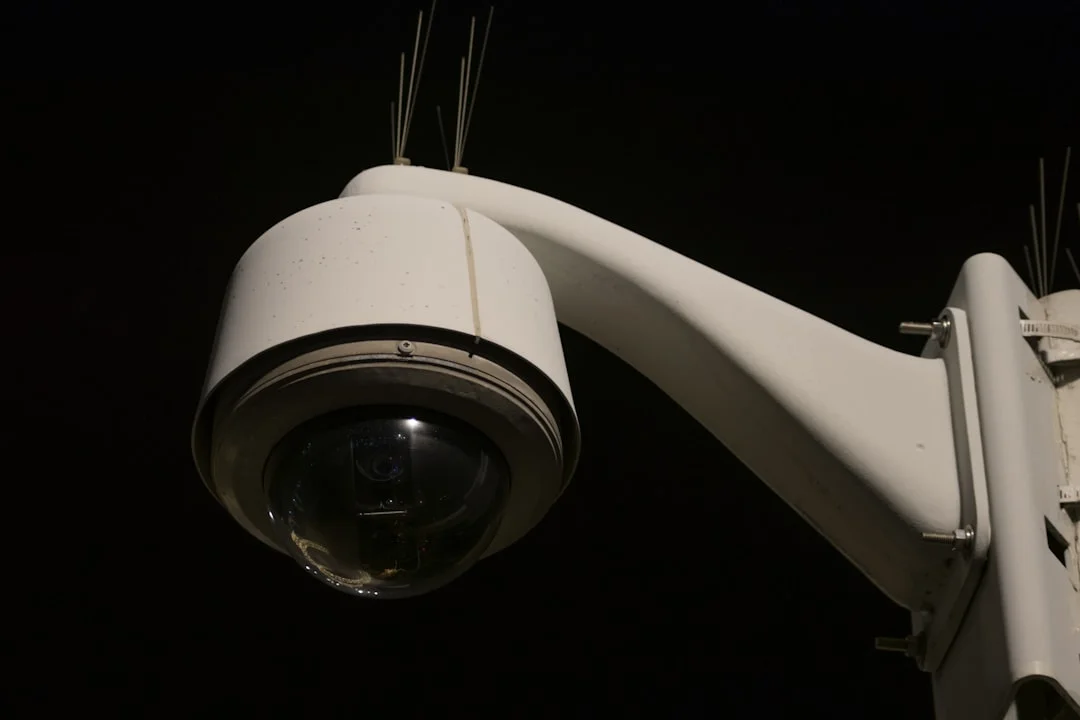
Photo by Albert Stoynov on Unsplash
Vancouver is emerging as a focal point for cybersecurity and privacy tech in 2026, with a wave of conferences, academic and industry collaborations, and public-private investments signaling a robust, data-driven momentum. In the first half of 2026, organizers announced and hosted a slate of events designed to accelerate knowledge sharing, showcase privacy-preserving technologies, and strengthen the region’s resilience against evolving cyber threats. The convergence of policy discussions, university-led research, and startup activity points to a Vancouver cybersecurity and privacy tech 2026 landscape that could reshape how local businesses, public agencies, and the broader Pacific Northwest ecosystem approach risk, data governance, and trust.
This year also features notable public-sector investments and programmatic initiatives aimed at enhancing digital security across municipalities and institutions. City and regional budgets outline ongoing cybersecurity modernization efforts, while major conferences and industry forums—from global security suites to privacy-focused summits—provide a platform for decision-makers to exchange best practices and forecast the region’s technology priorities. For readers tracking Vancouver cybersecurity and privacy tech 2026, the convergence of events, funding, and talent development offers a clear signal: the market is expanding, and the demand for privacy-centric security solutions is accelerating. (vancouver.ca)
What Happened
Global conferences and Vancouver as a security hub
Vancouver is hosting or hosting-adjacent high-profile cybersecurity and cloud engineering discussions this year, underscoring the city’s growing role in the global security ecosystem. The 117th Global Conference on Cyber Security and Cloud Engineering (GCCSCE) is slated for August 14–16, 2026, in Vancouver, signaling a flagship gathering that combines threat intelligence, risk management, and cloud security with regional policy and industry perspectives. This event marks a crisp milestone for Vancouver in the international security calendar and reflects the broader push to situate British Columbia as a hub for security innovation. (globalconference.ca)
In addition, Vancouver remains a focal point for international tech forums that blend security with adjacent domains such as AI governance, privacy law, and digital infrastructure. The Web Summit Vancouver 2026 program, organized with support from Canadian trade and economic development offices, is another indicator of the city’s continued appeal to global tech audiences and enterprise buyers looking for security-forward technology demonstrations, partner ecosystems, and investor conversations in 2026. While dates vary by sponsor and host, the event is part of the broader Web Summit Vancouver narrative that places privacy and cybersecurity topics at the center of tech diplomacy and market development in the region. (tradecommissioner.gc.ca)
Beyond these marquee events, regional education and research ecosystems are aligning around security and privacy as a core competency. BCNET CONNECT 2026—an event aimed at higher education and research IT—took place in Vancouver to showcase cybersecurity governance, risk management, and innovation in information technology. The three-day summit highlighted practical, hands-on approaches to defending campus and research networks, with emphasis on collaboration between institutions and industry partners. (bc.net)
Startup activity and private-market momentum
A notable feature of Vancouver’s 2026 landscape is the accelerating momentum among privacy tech and cybersecurity startups. Local media and ecosystem trackers highlighted Vancouver-based or BC-wide startups that are gaining traction in privacy-preserving technologies, zero-trust architectures, and security orchestration. Techcouver’s 2026 roundup emphasized a cohort of homegrown companies to watch, underscoring that the Vancouver ecosystem is not only hosting events but building product-led momentum in privacy tech and cyber resilience. This trend aligns with broader market expectations for 2026, where privacy-by-design and zero-trust initiatives are increasingly seen as essential business capabilities rather than optional add-ons. (techcouver.com)
Industry observers also note ongoing collaborations between universities and the private sector to accelerate security research that translates into practical tools for enterprises and public agencies. These activities contribute to a more robust talent pipeline and practical, applied research that informs real-world security deployments in Vancouver and the surrounding region. While not every initiative has a public-facing data sheet, the cumulative effect is a more dynamic private-sector landscape that can scale privacy tech solutions for local and cross-border use cases. (techcouver.com)
Public-sector investments and policy context
Public sector actions, spanning city budgets and regional technology plans, illustrate a sustained commitment to cybersecurity modernization in 2026. Vancouver’s 2026 budget document highlights multi-year investments in cybersecurity programs, data infrastructure, and digital transformation, signaling a government-wide emphasis on resilience, governance, and proactive risk management. These budgetary signals help create a favorable environment for private-sector privacy tech adoption and for municipal contractors focused on secure, privacy-conscious digital services. (vancouver.ca)
On the policy and privacy front, education and professional development around privacy law and data protection continue to be prioritized by local bar associations, universities, and privacy advocacy groups. The British Columbia legal community’s privacy program schedules and data privacy week activities reflect an ongoing demand for governance and compliance know-how as organizations navigate increasingly complex regulatory requirements. This context is integral to Vancouver cybersecurity and privacy tech 2026, as regulatory clarity often drives demand for privacy-preserving products and services. (cbabc.org)
The data-in-plain-sight picture: what the numbers say
While comprehensive, consistent market-wide numbers for Vancouver-specific cybersecurity and privacy tech 2026 are still coalescing, several markers point to a data-driven expansion. Local startup trackers and market analyses note rising deals, partnerships, and product launches in privacy-enhancing technologies, identity and access management, and security analytics. Additionally, city and regional planning documents underscore ongoing investments in digital safety programs and cybersecurity modernization across municipal networks and public services. Taken together, these signals suggest a healthier, more diversified ecosystem than in prior years, with a notable emphasis on privacy-first design and enterprise-grade security orchestration. (techcouver.com)
Why It Matters
Impacts on local businesses and service providers

Photo by Chad Montgomery on Unsplash
The Vancouver cybersecurity and privacy tech 2026 momentum matters because it directly affects businesses of all sizes—especially those handling sensitive customer data, regulated information, or critical infrastructure. A strengthening ecosystem of privacy-preserving tools and agile security practices means faster adoption of zero-trust frameworks, better data governance, and more robust incident response capabilities. The presence of major conferences and an active startup scene makes it easier for local firms to test, acquire, or partner with cutting-edge privacy technologies, potentially shortening procurement cycles and driving faster ROI on security investments. This dynamic also raises the bar for vendors: competition among privacy tech providers is intensifying, pushing providers to offer clearer ROI metrics, interoperable solutions, and transparent privacy-by-design claims. (globalconference.ca)
Consumer privacy and trust in the digital economy
For consumers and citizens, the Vancouver cybersecurity and privacy tech 2026 wave translates into stronger protections around personal data and more visible governance around AI, biometrics, and data sharing. Data Privacy Week 2026 activities in the region illustrate a growing public emphasis on privacy education, accountability for data handlers, and practical privacy tools that individuals can use to protect themselves online. As privacy laws evolve and enforcement becomes more consistent, organizations will need to demonstrate compliance not just in theory but in everyday customer interactions. This shift is reflected in ongoing privacy-law programming and university-level privacy curricula, which prepare the next generation of privacy engineers, policy researchers, and data protection officers. (privacymatters.ubc.ca)
Talent, education, and regional competitiveness
A strong Vancouver cybersecurity and privacy tech 2026 narrative also hinges on talent development and collaboration between academia, government, and industry. The BCNET CONNECT summit and related university-industry initiatives emphasize hands-on cybersecurity education, research collaboration, and the transfer of knowledge to industry settings. This ecosystem work supports a more resilient workforce capable of designing, implementing, and maintaining privacy-centric security architectures at scale. For organizations hiring or partnering in Vancouver, these programs provide both a pipeline of qualified talent and a broader ecosystem of experts to consult on complex privacy and security challenges. (bc.net)
Policy alignment and market certainty
From a policy perspective, the alignment of municipal budgeting with cybersecurity modernization builds market certainty. When city budgets explicitly earmark cyber defenses, data center modernization, and digital services security, private vendors gain a clearer demand signal and longer planning horizons. This environment supports sustainable growth in Vancouver’s privacy tech market and invites more cross-sector collaborations that marry compliance, security engineering, and user-centric privacy protections. (vancouver.ca)
What's Next
Key events on the horizon
Looking ahead, Vancouver’s 2026 calendar includes several events and programs that will likely influence the trajectory of Vancouver cybersecurity and privacy tech 2026. The GCCSCE Vancouver edition remains a central anchor for catching up on threat intelligence, best practices, and cloud security innovations, with the August dates already announced for 2026. Organizations planning security roadmaps for the fall should consider attendance or speaker opportunities as a way to benchmark their strategies against global peers. (globalconference.ca)
Other notable gatherings include FutureCon Vancouver’s 2026 edition, which typically features customer case studies, vendor demonstrations, and executive roundtables focused on cyber risk management and security operations. While dates may vary by event and organizer, these conferences collectively create a continuous cadence for knowledge exchange and vendor due diligence throughout the year. The presence of Web Summit Vancouver 2026, which brings together global tech leaders and investors, also signals ongoing cross-border collaboration and investment in Vancouver’s security and privacy tech segments. (futureconevents.com)
From an educational and workforce development standpoint, BCNET CONNECT 2026 and related campus cybersecurity initiatives will continue to grow, with sessions dedicated to governance, risk, compliance, and privacy engineering. These programs are likely to drive practical training opportunities, certifications, and university-industry partnerships that shorten time-to-value for security deployments in both the public and private sectors. (bc.net)
Regulatory, funding, and market signals to watch
Budget documents and policy discussions from Vancouver and British Columbia continue to cast a long shadow over market activity. The 2026 Vancouver budget highlights ongoing cybersecurity investments that are essential for municipal IT resilience and service continuity, signaling sustained public-sector demand for privacy-protecting and security-enhancing technologies. As privacy and security governance evolves—driven by academic research, professional associations, and regulatory expectations—the market can expect a steady stream of procurement opportunities and public-private partnerships that center on privacy-by-design principles and accountable data use. (vancouver.ca)
Industry observers will also monitor how the privacy tech wave intersects with broader AI governance and data protection trends in 2026. The region’s mix of conferences, university programs, and industry consortia suggests a growing consensus around practical privacy protections, risk-based security, and transparent data governance. The availability of privacy-preserving technologies, alongside zero-trust security models and identity verification innovations, points to a future where Vancouver-based organizations can realize stronger security outcomes without sacrificing user experience or data utility. (techcouver.com)
What to watch for in the near term
- Short-term milestones: Expect announcements around pilot deployments, security partnerships, and case studies at GCCSCE Vancouver 2026 and related regional events. These announcements will likely emphasize privacy-by-design, secure cloud adoption, and identity management improvements in both private and public sectors. (globalconference.ca)
- Mid-term indicators: Growth in BC-based privacy tech startups, increased private equity or strategic funding for security-focused ventures, and more formalized university-industry research collaborations. Techcouver’s 2026 startup landscape projections hint at ongoing momentum in this space. (techcouver.com)
- Long-term outlook: A more interconnected regional security ecosystem, with Vancouver serving as a hub for privacy engineering talent, policy-informed product development, and cross-border collaborations that align with national and international privacy standards. The Web Summit Vancouver 2026 ecosystem narrative and government engagement suggest this trajectory. (tradecommissioner.gc.ca)
Closing
As Vancouver accelerates its focus on privacy tech and cybersecurity in 2026, stakeholders across business, government, and academia can expect a more mature market characterized by clearer governance, stronger talent pipelines, and faster adoption of privacy-preserving security solutions. The convergence of high-profile conferences, robust public-sector investments, and a thriving startup scene positions Vancouver to become a lasting center for privacy engineering, data protection, and risk management in the Pacific Northwest. For readers who want to stay ahead of the curve, following GCCSCE Vancouver 2026, BCNET CONNECT, Web Summit Vancouver, and Data Privacy Week 2026 developments will provide timely insights into where Vancouver cybersecurity and privacy tech 2026 is headed next.

Photo by Tanuj Sabharwal on Unsplash
Tech Forum will continue to monitor these events, funding announcements, and policy updates to deliver data-driven analysis, practical takeaways for practitioners, and balanced perspectives on the evolving privacy-tech landscape in Vancouver. As the year unfolds, readers can expect deeper dives into specific technologies—zero-trust architectures, privacy-enhancing computation, and compliant data sharing—as well as a clearer view of how local organizations can leverage privacy tech to build trust with customers and citizens alike. (globalconference.ca)