Mila Montreal responsible AI Summer School 2026 Expands

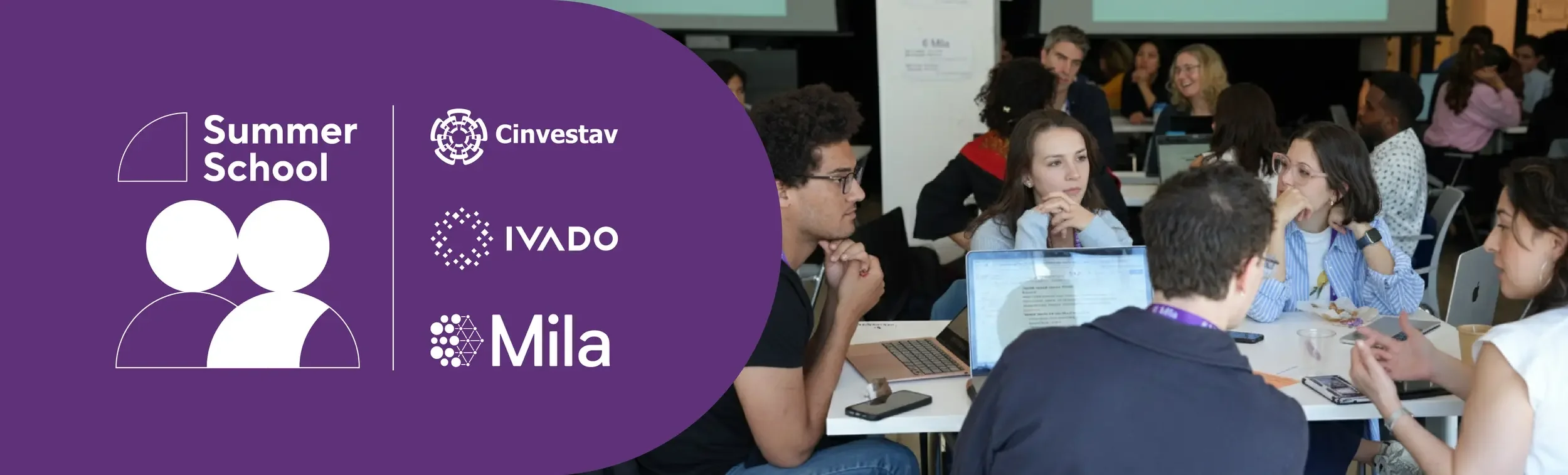
A landmark development for AI ethics education is unfolding as Mila announces the 2026 edition of the Summer School in Responsible AI and Human Rights, shifting the program from its Montreal roots to Mexico City. The event, organized in partnership with IVADO and CINVESTAV, will run from May 17 to May 22, 2026, marking the first time the intensive five-day course travels outside Canada to Latin America. The move underscores Mila’s commitment to global inclusion, cross-cultural collaboration, and the practical application of responsible AI principles in diverse regulatory and socio-technical environments. As the field grapples with governance, rights-based considerations, and accountability, the 2026 Summer School aims to accelerate a worldwide cohort of researchers, practitioners, and policymakers who can translate theory into responsible AI practice. The announcement also signals a broader push to broaden access to high-impact training, offering scholarships to ensure a diverse participant pool. This development matters for anyone tracking AI governance, ethics, and international scholarly exchange. (mila.quebec)
The news arrives in the context of Mila’s ongoing track record with the Summer School, an annual event co-hosted with Université de Montréal that has previously convened cohorts in Montreal (and, in 2024, expanded to a global audience). The 2026 edition will be a full, in-person, five-day immersive program featuring expert-led sessions, hands-on workshops, and collaborative projects that explore responsible AI, governance, ethics, and human rights. Mila emphasizes that the course blends theory with practical tools, designed to foster interdisciplinary dialogue among participants from academia, industry, and civil society. The program remains bilingual, with content delivered in English and French, and continues to offer certificates of participation alongside potential academic credit for participating institutions. The 2026 call for applications underscores the ongoing demand for this kind of cross-border, cross-disciplinary training. (mila.quebec)
Opening (Lead)
-
Mila announces the 2026 Summer School in Responsible AI and Human Rights, planned for May 17–22, 2026 in Mexico City, the event’s first relocation outside Montreal. The initiative maintains its collaboration with IVADO and CINVESTAV to deliver a policy-relevant, rights-centered curriculum in an international setting. Applications run until January 11, 2026, with a call to action for a global pool of applicants. The five-day program emphasizes hands-on learning, governance, and practical workflows for implementing responsible AI. (mila.quebec)
-
The shift to Mexico City reflects Mila’s strategic emphasis on inclusion, accessibility, and international collaboration, aiming to draw participants from diverse regions and backgrounds who can contribute to a more globally-informed AI ethics ecosystem. The 2026 edition will feature sessions led by renowned experts, workshops, and team-based projects, continuing the program’s emphasis on interdisciplinary approaches to AI and human rights. The organizers also reaffirm their commitment to scholarships that help ensure broad participation. “The Summer School offers a one-of-a-kind interdisciplinary training and experience on AI and human rights,” a sentiment echoed in Mila’s 2025 highlights, which underscores the program’s impact and value for attendees. (mila.quebec)
-
For readers tracking program outcomes and continuity, it’s worth noting that Mila’s Summer School has a history of growth and international reach. The 2025 edition, held May 26–30, attracted more than 40 participants from multiple continents, reinforcing the global interest in responsible AI education and the importance of cross-border forums for policy and practice. This context helps frame the 2026 edition’s strategic significance for both participants and the broader AI ethics community. (mila.quebec)
Section 1: What Happened Announcement Details
-
The 2026 Summer School in Responsible AI and Human Rights is organized by Mila in partnership with the Université de Montréal, with collaboration from IVADO and CINVESTAV. The program is designed as a five-day, in-person intensive that blends theory, policy analysis, and practical skill-building in a cross-disciplinary format. The explicit aim is to explore AI governance, ethics, and the socio-technical implications of AI through a human-rights lens. The Mexico City edition marks a milestone as the first time the school travels outside Montreal, signaling Mila’s ambition to democratize access to high-caliber AI ethics education on a global scale. Dates: May 17–22, 2026. Venue: Mexico City, Mexico. Partners: Mila, IVADO, CINVESTAV; Academic direction continues under senior leadership from the Mila-University of Montreal ecosystem. (mila.quebec)
-
The program’s design emphasizes the blend of theory and practice, with sessions led by leading voices in AI governance, ethics, and policy, complemented by practical workshops and collaborative projects. This structure aims to equip participants with the tools to translate ethical and legal principles into real-world AI deployments across sectors. The in-person format is a deliberate choice to maximize discussion quality, hands-on activities, and peer-to-peer learning. The bilingual delivery remains a staple of the program, with English and French content to broaden accessibility for an international audience. (mila.quebec)
Event Timeline and Key Facts
-
The official announcement was published by Mila on December 11, 2025, detailing the move to Mexico City in 2026, along with the May 17–22 window. The release also highlighted the collaboration with IVADO and CINVESTAV, and reaffirmed Mila’s intent to host a five-day, intensive program with a strong emphasis on the intersection of AI and human rights. Applications opened with a deadline of January 11, 2026. This early timeline was designed to maximize outreach and ensure a diverse applicant pool. (mila.quebec)
-
The 2026 call for applications sits within Mila’s broader continuing education framework for responsible AI, which outlines that the Summer School is an on-site program with a structured selection process. The program’s capacity is capped to ensure a high-quality, participatory experience; in previous editions, the program has accommodated around 40 participants, underscoring the select nature of the cohort and the emphasis on depth over breadth. The 2025 edition’s participant count and outcomes provide a baseline for planning the 2026 cohort. (mila.quebec)
-
The Mexico City edition builds on the organization’s history of regional expansion. In recent years, Mila and its partners have hosted multiple Summer School iterations, including Montreal-based editions and earlier international sessions. The 2024 edition, for instance, was held in Montreal in late May 2024, bringing together participants from around the world to discuss the practice of responsible AI with human rights as a core frame. The continuity across editions demonstrates Mila’s long-standing commitment to cross-jurisdictional dialogue on AI ethics. (mila.quebec)
-
The program’s 2023–2024 lineage, including the Montreal-based 2024 edition, provides a backdrop to the 2026 shift. These past editions established the curriculum’s core themes, including governance, ethics, legal aspects of AI, and the socio-technical dimensions of AI systems. The 2024 edition’s emphasis on global governance and workers’ rights, among other topics, maps onto the 2026 edition’s anticipated content, with the Mexico City host city offering a new regulatory and cultural context for comparison and learning. (mila.quebec)
Section 2: Why It Matters Global Inclusion and Access
-
The 2026 edition’s relocation to Latin America signals Mila’s strategic aim to diversify voices within responsible AI discourse. By extending the Summer School’s geographic footprint, Mila and its partners seek to bring together participants from a broader range of regulatory environments, industries, and civil society perspectives. The goal is to foster a more globally representative dialogue on AI governance and human rights, helping to ensure that ethical frameworks are informed by diverse experiences and real-world constraints. The in-person, bilingual format is designed to lower barriers to participation while maintaining rigorous academic standards. (mila.quebec)
-
Accessibility remains a central theme, with scholarship programs and selective admissions designed to move beyond traditional pipelines and include participants who can contribute regional insights and practical perspectives from different sectors. The program’s emphasis on inclusion aligns with Mila’s stated commitments and the long-running feedback from past cohorts. The 2025 edition offers a useful reference point: more than 40 participants from various countries connected over the week, underscoring the international appetite for this type of training and the potential cross-pollination across geographies. (mila.quebec)
Interdisciplinary Focus and Practical Impact
-
The Summer School’s curriculum is designed to cross disciplines, bringing together voices from AI research, law, policy, ethics, and social sciences to examine responsible AI through a human-rights lens. This interdisciplinary approach is increasingly recognized as essential for bridging theory and practice in AI governance. The 2026 iteration’s emphasis on sessions led by renowned experts, coupled with practical workshops, is intended to equip participants with concrete tools—frameworks for evaluating AI systems, indicators for governance, and methodologies for stakeholder engagement. (mila.quebec)
-
The emphasis on real-world application is reinforced by Mila’s ongoing collaboration with IVADO and CINVESTAV, which anchors the program in a transnational research and policy network. These partnerships help ensure that the curriculum reflects current thinking in both North American and Latin American AI ecosystems, supporting cross-border knowledge transfer, policy dialogue, and potential collaborative projects after the Summer School ends. The 2026 edition’s cross-regional collaboration is particularly timely given the global push toward harmonized but context-sensitive AI governance frameworks. (mila.quebec)
Broader Context: AI Governance and Human Rights
- The 2026 Summer School occurs within a broader ecosystem of responsible AI education and policy development that includes ongoing discussions about AI governance, human rights implications, transparency, accountability, and fairness. Past editions have addressed topics such as algorithmic bias, the environmental impact of AI, and the rights of workers in AI-enabled workplaces. By situating these issues within a Latin American context for 2026, Mila aims to contribute to a more inclusive global conversation about how international norms translate into local practice. The 2025 edition’s content and outcomes provide a benchmark for what participants may expect in 2026. (mila.quebec)
Section 3: What’s Next Application Window and Selection Process
-
The 2026 Summer School’s application window runs from December 8, 2025 to January 11, 2026. Selected participants will be notified at the end of January, and the program maintains a capacity cap designed to foster deep engagement and collaboration among a diverse cohort. Prospective applicants are encouraged to prepare materials that demonstrate both AI-related expertise and a strong interest in human-rights-centered approaches to AI. The program remains open to a global audience, with eligibility criteria focusing on expertise relevant to AI and a demonstrated commitment to responsible AI principles. The selection process is described in Mila’s continuing-education resources, including confirmations about in-person participation and English/French language accessibility. (mila.quebec)
-
Applicants should plan for a roughly 40 hours of program activity across the five days, with additional time for possible pre-session preparation and group projects. The in-person format means travel arrangements and accommodation considerations will be part of the planning process for international attendees. The Summer School’s structure supports hands-on work, peer collaboration, and opportunities to develop a professional network that can extend beyond a single week of training. Those seeking more information should monitor Mila’s official channels for application updates and any changes to the schedule or venue. (mila.quebec)
What to Expect in Mexico City
-
The Mexico City edition will bring together participants from around the world, with a carefully designed program that includes keynote lectures, policy panels, and interactive workshops on responsible AI and human rights. Expect cross-cultural dialogue, case-study discussions tailored to Latin American regulatory contexts, and opportunities to engage with researchers and practitioners from Mila, IVADO, and CINVESTAV. The event promises a collaborative learning environment in which participants work on practical projects and produce outputs that can be shared with the broader AI ethics community. The 2026 edition’s emphasis on inclusion and international collaboration will likely shape networking opportunities, potential joint publications, and follow-on collaborations in the years ahead. (mila.quebec)
-
The in-person format is a deliberate choice to maximize engagement and hands-on learning, with bilingual delivery to accommodate a diverse audience. In past editions, the bilingual structure has enabled a broader range of participants to participate meaningfully, exchange ideas, and contribute to discussions in both English and French. While the exact lineup of speakers and workshops for 2026 will be announced closer to the event, the program’s history suggests a strong roster of speakers from academia, industry, and public policy arenas. (mila.quebec)
Next Steps for Interested Readers
-
For readers who want to participate or learn more, the immediate next steps are to monitor Mila’s official pages for the 2026 Summer School, review the application guidelines, and prepare the required materials by the January 11, 2026 deadline. Prospective applicants should consider highlighting interdisciplinary experiences, policy-relevant projects, or research that intersects AI with human rights to strengthen their candidacy. Scholarships remain a key component of the program, and applicants from underrepresented groups or regions are encouraged to apply, given Mila’s commitment to diverse voices and international participation. (mila.quebec)
-
After the selection window closes, participants and observers can expect a formal announcements timeline from Mila. The organizers will likely publish details on visa considerations, travel stipends, housing options, and pre-program preparation materials. The 2025 highlights and the Montreal-based tradition offer a reliable template for what to expect in terms of structure, deliverables, certificates, and post-program community building. Readers should also anticipate a recap of the 2026 edition after the event, similar to Mila’s previous post-event reports that capture learnings, participant feedback, and long-term outcomes. (mila.quebec)
-
Looking further ahead, Mila and its partners have indicated ongoing interest in expanding access, including exploring future collaborations in other regions. The Latin America edition’s success could influence subsequent editions in other parts of the world, raising the prospect of a rotating set of international hosts that maintain Mila’s core curriculum while adapting to regional governance and rights frameworks. Observers and potential partners should watch for announcements about future hosting opportunities, partnership invitations, and program evolution that reflect participant needs and policy developments across the AI ethics landscape. (mila.quebec)
Closing
-
The Mila Montreal responsible AI Summer School 2026 represents a milestone for international education in AI ethics. By moving the program to Mexico City and expanding global participation, Mila, IVADO, and CINVESTAV are signaling a commitment to inclusive, rights-centered AI education that can shape practice and policy for years to come. The five-day, in-person format, the bilingual approach, and the scholarship opportunities collectively aim to create a diverse, high-impact learning experience that bridges theory and real-world implementation. As readers, researchers, and practitioners monitor this development, the 2026 edition could serve as a pivotal moment for cross-border collaboration and the diffusion of responsible AI practices across continents. (mila.quebec)
-
For ongoing updates, follow Mila’s official channels and the Mila news page, where details about the 2026 Summer School’s schedule, speakers, and selection outcomes will be posted. The program’s evolution—from Montreal to Mexico City and from regional to international prominence—reflects a broader trend in responsible AI education: the need for globally informed, locally relevant, and practically usable knowledge that can help organizations design, deploy, and govern AI responsibly in a world of rapid technological change. (mila.quebec)