Microsoft Canada AI cloud expansion 2026: Canada AI Push

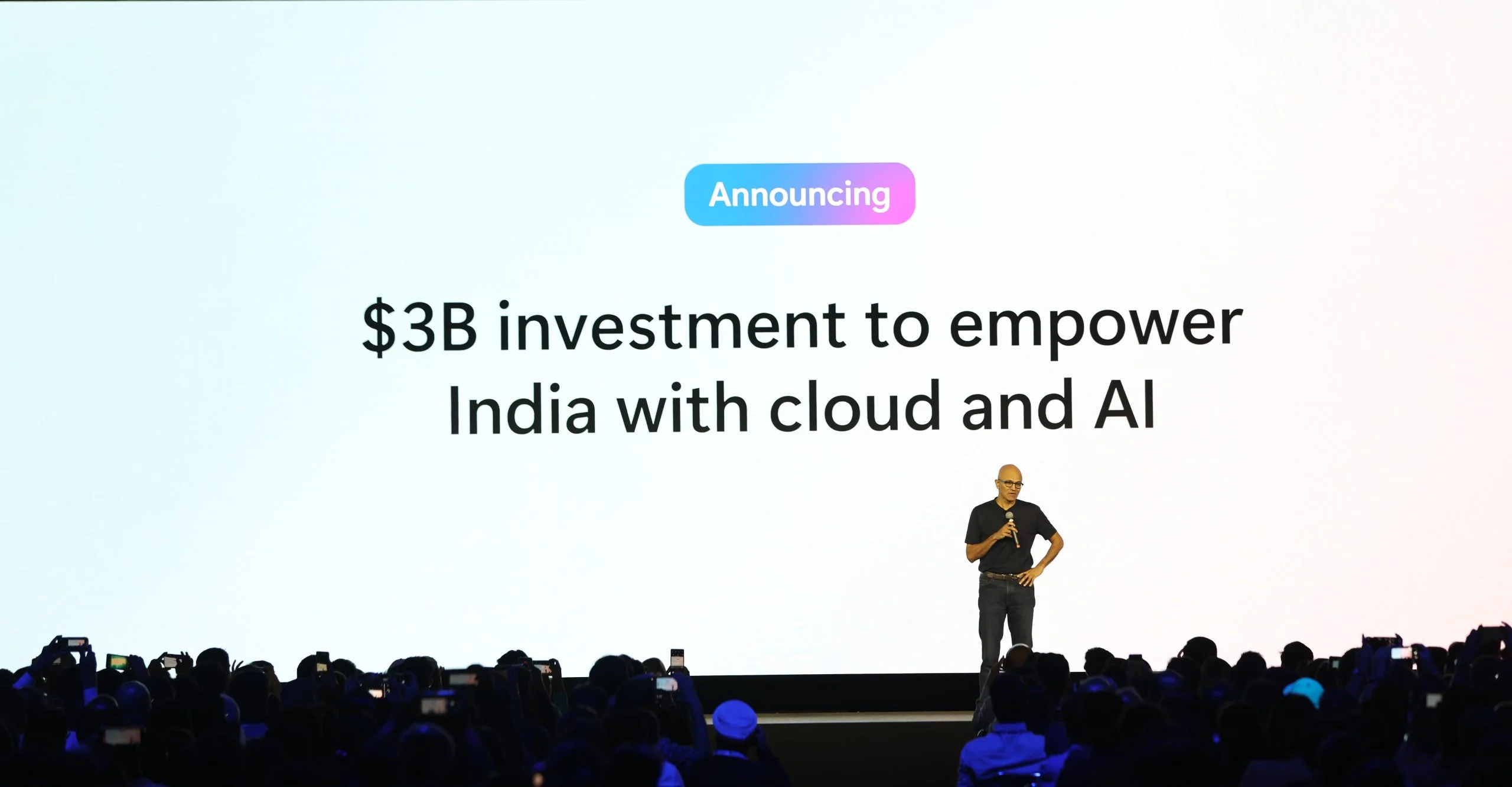
The tech industry woke up to a landmark commitment from Microsoft Canada in late 2025, with a broad plan to expand AI-focused cloud infrastructure across the country. On December 9, 2025, Microsoft publicly outlined a CAD 19 billion investment footprint spanning 2023 through 2027, with more than CAD 7.5 billion slated for the next two years. The company signaled that new capacity would begin online in the second half of 2026, a timeline that sets the stage for a more robust Canadian cloud and AI ecosystem. This is not just an infrastructure story; it is a strategic play tied to digital sovereignty, security, and skills development for a nation with a growing AI workforce. The core announcement was accompanied by a five-point plan designed to defend Canada’s digital sovereignty, keep data on Canadian soil, and support local AI talent. (blogs.microsoft.com)
Microsoft framed the CAD 19 billion investment as a national-scale commitment with multi-city footprint, aiming to expand Azure Canada Central and Canada East datacenter regions while increasing capacity for AI workloads and cloud services that stay within Canadian borders. The plan aligns with a broader Canadian AI strategy that executives describe as a generational opportunity to reimagine work, industry, and public services. Microsoft notes that more than 5,300 employees operate in Canada across 11 cities, and that Canadian partners number in the thousands, highlighting the ecosystem built around Microsoft technology in the country. Capacity expansion is expected to support a wide range of sectors—from public services to finance, cleantech, and healthcare—while underpinning efforts to modernize workloads and protect sensitive data. The company also announced a Threat Intelligence Hub in Ottawa and a Sovereign AI Landing Zone to enable secure, compliant AI deployments within Canada. (blogs.microsoft.com)
In a parallel development, Microsoft Canada’s leadership emphasized AI transformation as a “generational opportunity” that requires not just technology but a wide commitment to skills, trust, and governance. Matt Milton, President of Microsoft Canada, framed AI adoption as a national growth driver, citing tangible Canadian use cases and the broader economic context. The company’s public positioning also underscored the importance of AI in real-world sectors, such as healthcare, where AI-enabled workflows are already generating measurable efficiency gains. The emphasis on responsible AI deployment and local capacity aligns with both government and industry calls for data sovereignty and local control of critical workloads. (microsoft.com)
Opening with the news, the CAD 19 billion AI and cloud expansion marks a pivotal moment for Microsoft Canada and the broader Canadian technology economy. The company’s five-point digital sovereignty plan focuses on cybersecurity, keeping data on Canadian soil, privacy protections, support for domestic AI developers, and maintaining cloud service continuity. This framework is designed to reassure regulators, customers, and partners that rapid AI adoption can occur within a robust governance environment. The initiative includes concrete steps such as in-country processing for Copilot interactions, expanded Azure Local offerings for on-premises environments, and the launch of Sovereign AI Landing Zone, with public-facing code on GitHub to foster transparency and collaboration. The announcements suggest a multi-year cadence of capacity additions, skill-building programs, and ecosystem investments that extend well beyond mere data-center buildouts. (blogs.microsoft.com)
Section 1: What Happened
Announcement Details
- The CAD 19 billion investment spans 2023 to 2027, with more than CAD 7.5 billion earmarked for the next two years, signaling a sustained expansion rather than a one-off project. Capacity is slated to begin online in the second half of 2026, marking a concrete milestone for Canada’s cloud and AI infrastructure. (blogs.microsoft.com)
- The expansion specifically enlarges Azure Canada Central and Canada East datacenter regions to deliver secure, scalable cloud and AI capabilities across Canadian borders. Microsoft emphasizes energy efficiency, renewable energy integration, and water-conservation cooling as part of its sustainability commitments. These facilities are designed to support modernization of public services and advanced AI workloads for Canadian customers. (blogs.microsoft.com)
- A formal five-point plan accompanies the investment, focused on technology, trust, and talent. The plan includes keeping Canadian data on Canadian soil, expanding in-country data processing for Copilot interactions, extending Azure Local offerings, launching the Sovereign AI Landing Zone, and bolstering cybersecurity and privacy protections. The hub in Ottawa will concentrate threat intelligence and security research, reflecting a proactive stance on cyber resilience. (blogs.microsoft.com)
Investment Scope and Capacity
- The CAD 19 billion investment is described as an enduring commitment to Canada’s AI and cloud future, spanning 2023–2027. Of this, more than CAD 7.5 billion is planned for the next two years, underscoring a near-term push to operationalize new capacity and ensure faster time-to-value for Canadian customers. The second half of 2026 is a key inflection point when the new capacity starts to come online. (blogs.microsoft.com)
- The Azure Canada Central and Canada East datacenters will be expanded to enable higher-performance, lower-latency AI and cloud services, with a sustainability footprint that aligns with Microsoft’s broader environmental goals. The company describes these datacenters as foundational to a secure, scalable backbone for AI adoption in Canada. (blogs.microsoft.com)
- Microsoft notes ongoing investments since 2023, with the expansion itself expected to create thousands of construction and permanent engineering and technology jobs across Canada. The data-center buildout is positioned as a catalyst for a wider Canadian AI and digital economy, including collaborations with local businesses and universities. (blogs.microsoft.com)
Partnerships and Community Programs
- The company points to a strengthened Canadian AI ecosystem in which Cohere, a domestic AI startup, will be integrated into Microsoft Foundry’s models, expanding access to sovereign, Canada-made AI capabilities on Azure. This partnership illustrates how Canada’s AI developers may scale their innovations with Microsoft’s platform. (blogs.microsoft.com)
- The Elevate program, launched to expand AI-skilling across Canada, targets around 250,000 Canadians earning in-demand AI credentials by 2026. Microsoft notes that since July 2024, the company has engaged millions of learners through skilling initiatives, with hundreds of thousands completing AI training courses. The strategy includes partnerships with nonprofits and education organizations to broaden reach, including collaboration with Actua to bring AI education to Indigenous communities and youth in remote and rural areas. (blogs.microsoft.com)
Section 2: Why It Matters
Economic and Industry Impact
- Microsoft Canada frames the investment as a generational opportunity for AI-driven growth, efficiency, and global competitiveness. The initiative is linked to broader Canadian economic impact, including potential contributions to GDP and job creation in technology-related sectors. In Canada, AI adoption and digital transformation are a central policy and business priority, with Microsoft positioning itself as a partner in this transition. Public-facing statements from Microsoft Canada executives emphasize the ambition to expand cloud and AI capabilities while supporting Canadian businesses as they modernize operations. (microsoft.com)
- The expansion is framed in the context of real-world Canadian outcomes. Microsoft Canada highlights concrete use cases, such as Hero AI in Ontario reducing patient wait times by 55% and providing an extra 200 hours of ER capacity, illustrating how AI-enabled workflows can translate into measurable public-health benefits. Alberta Wildfire’s collaboration with AltaML and Microsoft to improve wildfire prediction and response is cited as an example of AI-driven risk management with broad societal impact. These stories reinforce the argument that cloud-scale AI infrastructure can drive efficiency and resilience across sectors. (microsoft.com)
Blockquote (illustrative): “AI should make work more human. Orchestrated with agents and grounded in data, security, and culture, it frees people to focus on creativity, relationships, and high-value outcomes.” This emphasis from Microsoft Canada leadership captures the balancing act between automation and human-centered work in the AI era. (microsoft.com)
- The broader AI ecosystem in Canada is a central theme. The Elevate initiative’s goal of training 250,000 Canadians in AI by 2026 signals a deliberate approach to matching hardware and software investments with a skilled workforce. The Cohere partnership and the integration of Canadian-made AI models into Microsoft Foundry illustrate a deliberate effort to seed domestic AI capabilities that can scale within a trusted, regulated framework. These elements matter for regional competitiveness, enterprise uptake, and future policy discussions around data residency and digital sovereignty. (blogs.microsoft.com)
Digital Sovereignty and Data Residency
- A core feature of the CAD 19 billion plan is the explicit emphasis on digital sovereignty—keeping Canadian data on Canadian soil, ensuring privacy protections, and defending cybersecurity against increasingly sophisticated threats. Microsoft outlines a five-point plan that includes in-country data processing for Copilot interactions, expansion of Azure Local offerings to extend cloud capabilities into private clouds and on-premises infrastructure, and the creation of a Sovereign AI Landing Zone (SAIL) with open-source code hosted publicly. Ottawa will host a dedicated Threat Intelligence Hub to strengthen threat intelligence and defense collaboration with government and law enforcement partners. These measures address both trust and practical governance questions raised by rapid AI adoption. (blogs.microsoft.com)
- The emphasis on data residency and sovereign controls responds to a long-standing Canadian policy priority: keep sensitive data and critical workloads within national borders when feasible, while enabling enterprises to innovate with machine learning and AI tools. Microsoft’s approach—combining architectural options (Azure Local, data-processing for Copilot, Sovereign AI Landing Zone) with contractual protections—aims to reassure customers and regulators that national data governance standards can coexist with global AI capabilities. This dual focus on capability and governance highlights a central tension in modern cloud strategy and governance debates. (blogs.microsoft.com)
Skills, Ecosystem, and Local Innovation
- Canada’s AI ecosystem is a recognized strength, with Microsoft pointing to a broad network of partners and customers benefiting from cloud and AI investments. The reported figures include more than 5,300 Microsoft employees in Canada, more than 17,000 Canadian partner companies generating tens of billions in annual revenue, and hundreds of thousands of jobs supported through Microsoft’s ecosystem. The Cohere Foundry integration, corresponding to a deeper pool of local AI talent, reinforces the Canadian market’s potential to become a North American hub for secure, responsible AI development. The Elevate program’s aim to train 250,000 Canadians by 2026 further signals a holistic strategy that combines infrastructure with human capital. (blogs.microsoft.com)
- Matt Milton’s leadership narrative emphasizes Canada’s track record of AI adoption and the country’s potential to “reimagine” industries through responsible AI. The article underscores Transforming industries—from healthcare to public safety—through AI-enabled workflows, reflecting a wider belief that cloud-based AI infrastructure can translate to tangible productivity gains and economic growth. This perspective helps readers understand why national policymakers, business leaders, and technologists are aligning around a common objective: accelerate AI-enabled innovation while maintaining trust, privacy, and security. (microsoft.com)
Section 3: What’s Next
Capacity Timeline and Milestones
- The second half of 2026 is the inflection point when the expanded Azure Canada Central and Canada East datacenter capacity is anticipated to come online. This capacity is expected to support a wave of AI workloads, cloud services, and hybrid deployments across public and private sectors. The near-term cadence will be driven by phased data-center openings, with subsequent growth in 2027 as the broader CAD 19 billion program continues to unfold. The timeline aligns with Microsoft’s broader commitment to Canada and its vision for AI-enabled economic development. (blogs.microsoft.com)
- Beyond physical capacity, the five-point sovereignty plan will unfold through new data-residency commitments, in-country processing enhancements for Copilot, and the private-cloud/offsite extensions of Azure Local. The Ottawa Threat Intelligence Hub will begin to operationalize as part of the ongoing security and governance architecture, with ongoing collaboration with Canadian authorities and industry partners. The Sovereign AI Landing Zone (SAIL) will provide a publicly auditable baseline for deploying AI within Canada’s borders, which readers should monitor as a potential reference model for other jurisdictions. (blogs.microsoft.com)
Practical Implications for Organizations
- For Canadian enterprises and public-sector agencies, the CAD 19 billion expansion represents not only more capacity but a clearer framework for how to adopt AI responsibly. The availability of local AI models through Foundry integration, plus in-country data processing for Copilot interactions, could simplify procurement, compliance, and risk management for organizations seeking to deploy AI at scale in a Canadian context. The Elevate program’s credentialing efforts may help ensure a pipeline of talent to operate and optimize those AI systems, reducing the friction many firms encounter when adopting advanced AI tools. (blogs.microsoft.com)
- For technology suppliers, partners, and startups, the CAD 19 billion investment creates opportunities to participate in Canada’s AI infrastructure ecosystem—whether by contributing to regional data-center ecosystems, co-developing sovereign AI capabilities, or integrating into Microsoft Foundry’s model portfolio with domestically developed AI components. The Cohere partnership is an explicit signal of how partnerships between global platforms and homegrown AI companies can accelerate productization and market access within Canada. (blogs.microsoft.com)
What to watch for in the months ahead:
- Timeline updates on data-center openings and service availability in the Azure Canada Central and Canada East regions. The second half of 2026 remains the anchor date, but private milestones may appear as pilot programs roll out. (blogs.microsoft.com)
- Progress on the Sovereign AI Landing Zone (SAIL) and in-country Copilot data processing arrangements, including any regulatory or privacy-impact assessments presented by Microsoft and Canadian authorities. (blogs.microsoft.com)
- The evolution of Cohere’s integration with Foundry and any related governmental or enterprise pilots that demonstrate the practical benefits of domestically produced AI models within Microsoft’s cloud stack. (microsoft.com)
Closing
Microsoft’s Canada-focused AI cloud expansion 2026 narrative synthesizes a multi-dimensional strategy: build the infrastructure needed for AI-scale adoption, govern data with a robust sovereignty framework, and cultivate the talent pipeline essential for long-term competitiveness. The announcements describe a coordinated approach that blends capital expenditure, data governance, and social investments—ranging from Threat Intelligence operational capabilities in Ottawa to a national Elevate program aimed at training hundreds of thousands of Canadians in AI. For readers at Tech Forum, this is a story about how a global technology platform translates big numbers into a concrete plan that touches government, business, and everyday users who rely on AI-powered tools. As Canada’s digital economy evolves, stakeholders will want to track capacity milestones, policy developments, and the real-world outcomes of AI deployments in sectors from healthcare to public safety to finance. (blogs.microsoft.com)
Staying updated will require watching Microsoft’s Canadian-facing communications, government briefings on digital sovereignty, and industry analyses that quantify the economic and social impact of the CAD 19 billion program. The company’s own leadership has framed the expansion as part of a broader AI transformation in Canada, with public-facing commitments to both capability and trust. Whether you’re a corporate IT leader, a public official, or a regional tech entrepreneur, the coming years will reveal how Canada leverages AI cloud expansion 2026 to accelerate growth while safeguarding national interests and citizens’ data. (microsoft.com)