News
AI in Public Transit & Smart Mobility 2026 Canada Corridor
Neutral, data-driven report on AI in Public Transit & Smart Mobility in Canada's Corridor Cities 2026 across Toronto, Montreal, Vancouver, and Waterloo.
 Derek Fung
In a year that regional transit agencies say will redefine how people move through Canada’s high-traffic corridor cities, AI-powered pilots and city-led AI initiatives are accelerating across Toronto, Montreal, Vancouver, and Waterloo. On the ground, operators and riders are already feeling the effects of dynamic routing engines, real-time information improvements, and safety-focused AI technologies that promise to reduce delays, improve safety, and streamline the user experience. The larger story, however, is about data governance, public trust, and the practical realities of turning research into scalable, citywide outcomes. This coverage focuses on AI in Public Transit & Smart Mobility in Canada's Corridor Cities 2026 as a data-driven, neutral view of what’s actually happening, who’s funding it, and what comes next for riders and workers in this pivotal transit corridor.
Across the corridor, agencies are pursuing a mix of AI-enabled pilots and city-led AI services to address congestion, safety, accessibility, and reliability. In Toronto, the Toronto Transit Commission (TTC) has launched a six-month pilot of bus safety technologies, with 30 buses equipped to warn operators and nearby road users of potential collisions, alongside new displays designed to reduce blind spots for operators. The move signals a broader TTC push to deploy near-term, operator-facing AI-enabled tools as part of a safety modernization program aligned with FIFA World Cup 2026 events and an overall plan to modernize operations. The pilot’s immediate objective is to gather data on effectiveness, guard against disruption, and inform subsequent procurement decisions. The announcement came in January 2026 and underscores the TTC’s intent to translate research into practical safety enhancements for a system handling more than a million daily boardings in some months of the year. As TTC Chair Jamaal Myers noted, the program is designed to “gather valuable information and insights, and I look forward to seeing the results.” (ttc.ca)
In parallel, Toronto’s research and operations teams are pursuing longer-range AI-driven improvements through a formal collaboration known as the Transit Innovation Yard, a joint initiative among TTC, Toronto Metropolitan University (TMU), and the DMZ. In March 2026, TTC announced five research projects aimed at practical outcomes, including an AI engine for dynamic route optimization—an explicit tilt toward AI-assisted decision-making that could alter how routes are planned, disruptions are managed, and service reliability is measured. The AI engine project is led by a TMU research team and is designed to model traffic conditions, service disruptions, and passenger demand to improve service reliability and efficiency. This is not just an academic exercise: the initiative lays out a near-term path to pilot deployment, with multiple projects progressing over roughly nine to fifteen months before a formal recommendation is advanced for TTC consideration. The collaboration explicitly frames AI as a tool for operational improvement rather than a theoretical exercise. (ttc.ca)
Montreal’s approach to AI in public services centers on the Laboratoire centre-ville, announced on February 12, 2026, and described by the City of Montréal as a downtown innovation hub designed to pilot AI-enabled solutions focused on mobility, construction-site management, and the urban experience. The city’s plan incorporates a formal governance framework, including an AI advisory committee, and an open call for solutions that ran from April 14 to May 1, 2026, with prototypes to be tested in June through September 2026. The downtown lab is positioned as a testbed for citywide AI services, with potential expansion to other districts if results prove durable and scalable. Montreal’s official communications emphasize a governance-first approach—ethics, transparency, and data sovereignty are central to the path from prototype to deployment. The broader policy context—Montreal’s AI strategy and updated data charter, established earlier in the decade—provides the framework for how the city manages risk while pursuing practical mobility improvements. (montreal.ca)
In Vancouver, the FIFA World Cup 2026 event has accelerated transit planning and public-facing improvements, with TransLink releasing a game plan and a companion set of measures to handle extraordinary demand while maintaining reliability for everyday riders. The federation of plans includes additional SeaBus sailings to move fans to and from event venues, expanded real-time information capabilities, and ongoing design work for Bus Rapid Transit. While not every element is explicitly labeled as AI, several press materials describe data-driven, customer-focused improvements—improvements that increasingly rely on AI-enabled analytics to optimize service, predict demand, and guide system decisions during peak event periods. Destination Vancouver and TransLink communications describe a series of near-term improvements, including an emphasis on real-time data, accessibility upgrades, and a more integrated customer experience plan tied to the FIFA World Cup 2026 Vancouver footprint. (translink.ca)
Waterloo Region’s transit work reflects the broader corridor pattern, with the Ion rapid transit (ION) system continuing to expand service and connect with surrounding communities. In a 2025 year-end update, the Region of Waterloo highlighted ION’s on-time performance as well as expansion efforts to provide better cross-region connectivity—such as connecting Cambridge, Kitchener, and Waterloo more seamlessly and introducing service changes to accommodate growing ridership. The 2025 update notes that bus stop accessibility investments and route expansions (including a new Chicopee Bus Loop and better midday service) are part of the ongoing modernization program, with MobilityPLUS modernization and a contract to upgrade trip management software anticipated in 2026. These steps illustrate how Waterloo’s corridor ambitions dovetail with AI- and data-driven concepts being pursued regionally, even when some elements are not labeled as AI pilots per se. (regionofwaterloo.ca)
Section 1: What Happened
Toronto’s AI-driven route optimization and safety pilots
- A suite of AI-enabled safety concepts is rolling out in Toronto as part of a broader safety modernization effort. In January 2026, the TTC launched a six-month pilot across 30 buses designed to warn operators and surrounding road users of potential collisions and to display new signs and alerts that reduce operator blind spots. The pilot’s objective is to assess effectiveness and inform future procurements, including whether these systems should be retrofitted fleet-wide. The TTC’s leadership framed safety as a core priority for riders and frontline staff, underscoring that the initiative is intended to improve responses to dangerous situations while yielding learning opportunities for future capital programs. This set of pilots aligns with ongoing safety investments and with a broader modernization plan to support FIFA World Cup 2026 travel in Toronto. The pilot program includes routes with high pedestrian activity and traffic complexity as a testbed for real-world results. (ttc.ca)
- In March 2026, the TTC extended its AI-focused exploration through TMU partnerships, announcing five research projects under the Transit Innovation Yard umbrella. Among these is an AI engine for dynamic route optimization, designed to adapt in real time to traffic conditions, service disruptions, and passenger demand. The project’s goal is to demonstrate practical improvements in route reliability and operational efficiency, with the intent of informing a broader deployment and potentially reshaping how TTC planning teams respond to disruptions, demand spikes, and capacity constraints. The TMU partnership illustrates a deliberate move to translate academic insights into transit-system improvements that can scale beyond a single pilot. The projects are expected to progress over the next 9–15 months, culminating in recommendations for TTC action. > Quote: “An AI engine for dynamic route optimization” is listed as a flagship project in the TTC TMU collaboration. (ttc.ca)
Montreal’s Laboratoire centre-ville and the citywide AI services pilot
- Montreal’s February 12, 2026 announcement of the Laboratoire centre-ville marks a deliberate attempt to test AI-enabled mobility, construction-site management, and real-time urban experience improvements in Montréal’s central district. An open call for proposals ran from April 14 to May 1, 2026, inviting Montreal-based companies and researchers to propose AI-based solutions around the lab’s four priority themes. Proposals selected for testing will be evaluated during a June–September 2026 window, representing an explicit, time-bound testing phase for city-led AI deployments. The governance framework includes an AI advisory committee to guide decisions, assess risks, and ensure ethical governance and data sovereignty. Officials describe the downtown lab as a controlled environment designed to generate concrete outcomes that could inform wider citywide deployment if results prove durable. (montreal.ca)
- Montreal’s approach is embedded in a broader city strategy around AI governance. The city’s 2024 AI strategy and data charter establish governance principles that emphasize transparency, accountability, and data rights—foundational to ensuring that AI pilots translate into practical benefits while respecting residents’ privacy and rights. The Laboratoire centre-ville is framed as a testbed for two critical outcomes: improving mobility around construction sites and enhancing the downtown experience for residents and visitors. If the pilots demonstrate clear, measurable gains, the city is positioned to consider a broader citywide AI services program, leveraging the existing ecosystem of public-private partnerships and regional AI initiatives. (montreal.ca)
Waterloo Region’s ION expansion and MobilityPLUS modernization
- In Waterloo Region, the ION light rail system’s performance and growth trajectory remain central to corridor mobility. The 2025 Region of Waterloo report highlights ION’s on-time performance and the extension of cross-regional connectivity, including an expanded Route 302 ION Bus service to align with weekday ION LRT service and improved connections between Cambridge, Kitchener, and Waterloo. MobilityPLUS modernization is also underway, with a contract awarded in early 2026 to upgrade the trip-management software, a move expected to reduce unmet trips and enhance the customer booking experience. Transit modernization in Waterloo reflects a broader corridor trend toward real-time data-enabled service design and proactive demand management—an environment where AI-enabled analytics and digital tools can play a larger role in the near term. (regionofwaterloo.ca)
Vancouver’s World Cup planning and AI-leaning customer experience upgrades
- Vancouver’s lead role in FIFA World Cup 2026 transit planning is supported by a set of measures designed to move fans efficiently while preserving regular service for residents. TransLink published a game plan for Vancouver 2026 with event-specific service enhancements, including extra SeaBus sailings and real-time information improvements to help travelers navigate a city that will experience intense activity during the tournament. In January 2026, TransLink announced a Customer Experience Action Plan that prioritizes real-time transit information, escalator and elevator reliability, easier ways to report cleanliness issues, and a public-facing portal for transit reliability. While not all elements are explicitly AI-enabled, the emphasis on data-driven service design aligns with the corridor’s broader trend toward AI-adjacent tooling—such as AI-enabled forecasting and predictive analytics that support operations during peak demand. The World Cup context also underlines the need for resilient and responsive transit planning across the region. (translink.ca)
Closing note on the Waterloo–Vancouver–Montreal–Toronto corridor and the AI trajectory
- Across these corridor cities, officials, operators, and technology partners are converging on a shared objective: use data and AI-enabled tools to improve reliability, safety, and user experience in a high-demand urban transit environment. The early 2026 demonstrations—Toronto’s AI-enabled safety and routing pilots, Montreal’s downtown AI lab, Waterloo’s MobilityPLUS modernization, and Vancouver’s World Cup-enabled resilience and customer-experience improvements—are not standalone experiments. They are part of a broader, coordinated effort to translate AI research into practical transit improvements for millions of daily riders in Canada’s major corridor cities. The coming months will reveal how pilots scale, what governance and funding models prove sustainable, and how these AI-enabled capabilities affect service levels, rider trust, and the broader regional economy. (ttc.ca)
Section 2: Why It Matters
Rider experience and safety implications
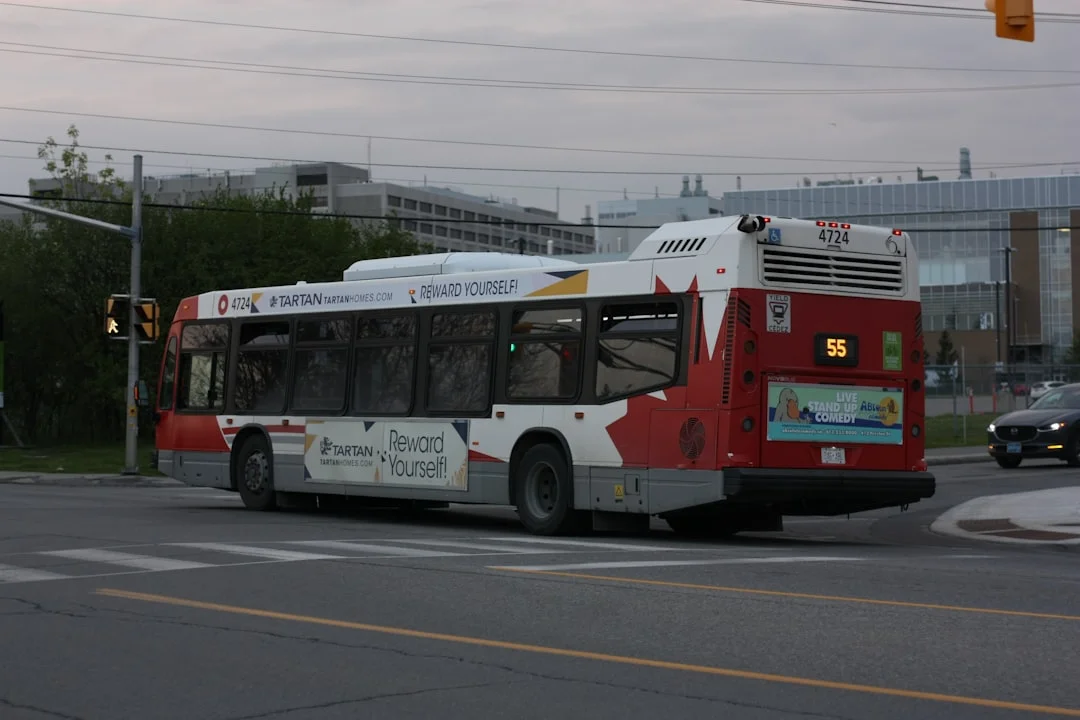
- The TTC’s safety pilots demonstrate a concrete shift toward AI-assisted safety tools that can expand the “safety envelope” around transit operations. The January 2026 bus-safety pilot and the later plan to deploy AI technology to detect track intrusions and alert Transit Control earlier are designed to reduce incidents and improve response times, with measurable targets such as headway adherence and incident rates. The TTC’s 2026 Focus Areas presentation outlines a broader plan to deploy platform-edge barriers and other safety measures tied to AI-enabled detection, signaling a move from reactive to proactive safety management. On-time performance targets, such as the Kennedy–Eglinton corridor pilot, reflect the attempt to translate safety measures into smoother operations and better rider experience. The combination of safety measures and predictive analytics is aimed at reducing disruptions and increasing rider confidence, particularly during high-profile events like FIFA World Cup 2026, which place additional stress on the system. (toronto.ca)
- Montreal’s center-ville AI pilot emphasizes the citizen experience and mobility around construction zones. If the Lab delivers tangible improvements in mobility flow, detour planning, and real-time communication with riders, it could lead to faster, more predictable commutes and fewer cascading delays caused by urban works. The governance and ethics framework for the lab—a city-led effort with an AI advisory committee—highlights an intent to balance operational gains with public accountability and data protection, underscoring that rider trust remains a core consideration in AI deployments that touch mobility and public space. (montrealtimes.ca)
Policy, governance, and data sovereignty considerations
- Across all four cities, governance and data governance are central to the AI journey. Montreal’s emphasis on a data charter and ethics framework, along with an AI advisory committee, sets a model for how municipal AI pilots can be designed with risk controls and accountability. In Toronto, the TTC’s use of AI in safety and operations is paired with public dashboards and a risk management framework to monitor performance and ensure accountability. The collaboration with universities (TMU) demonstrates how public institutions are seeking to embed rigorous research practices into transit operations, with explicit milestones and go/no-go decision points to govern deployment. The alignment between research, governance, and procurement is essential to ensuring that AI pilots produce durable, scalable improvements rather than isolated experiments. (montreal.ca)
Economic implications and ecosystem development
- The corridor’s AI initiatives are also about building an innovation ecosystem that can sustain public-sector AI deployments. Montreal’s Laboratoire centre-ville is positioned not only as a testbed for mobility and construction-site management but also as a potential catalyst for private-sector AI startups and cross-sector collaboration. The governance structure, the call-for-solutions process, and the potential citywide expansion are designed to establish a scalable framework for municipal AI deployments, which could attract private investment and talent to the region. The joint TTCTMU program, by positioning AI as a practical tool with measurable outcomes, helps create a pipeline from research to procurement—an important signal for vendors and researchers who want to participate in public-sector AI projects. Waterloo’s MobilityPLUS modernization and ION expansions contribute to a broader regional attractor effect, drawing talent and funding to the corridor and supporting the adoption of data-driven tools across multiple modes and agencies. (montreal.ca)
Section 3: What’s Next
Near-term milestones in Toronto, Montreal, and Waterloo
- Toronto’s 2026 plan calls for a sequence of AI-enabled deployments with clear milestones. The TTC’s 2026 Focus Areas outline a phased approach that includes a 10-station AI platform safety barriers pilot (with TMU involvement) beginning in late 2026, ongoing drone-camera deployments, and platform-edge door assessments that could lead to a longer-term, multi-station rollout. The plan also foresees real-time predictive tools to monitor, anticipate, and mitigate safety or operational issues, with early pilots slated to inform long-term capital planning. The March 2026 TMU partnership explicitly lists an AI engine for dynamic route optimization among its five projects, signaling a soon-coming demonstration of AI in route planning that could recalibrate how TTC allocates resources and responds to disruptions. The integrated approach—safety, platform infrastructure, and route optimization—suggests a multi-year horizon for fully realizing AI-driven improvements, with Q4 2026 earmarked for some pilots’ conclusions and decision-points for expansion. (toronto.ca)
Montreal and the downtown AI services pilot: June–September 2026 testing
- The Laboratoire centre-ville testing window (June–September 2026) represents a critical early phase for Montreal’s AI strategy: proposals selected from the April–May 2026 call will be tested for real-world impact in the downtown core. Montreal’s governance approach—emphasizing transparency, ethics, and a phased implementation strategy—suggests that results will be subject to close scrutiny, with the potential to inform citywide rollout options if performance meets defined metrics. Observers should watch for published findings, performance dashboards, and governance updates that indicate how the city plans to scale successful pilots to other districts. The downtown lab will provide a controlled environment to measure AI-enabled improvements in mobility around worksites, real-time monitoring, planning simulations, and user experience enhancements. (montrealtimes.ca)
Waterloos’ MobilityPLUS modernization and ION expansion timing
- Waterloo’s 2025–2026 modernization plan emphasizes an upgraded trip-management system and improved cross-regional connectivity, with MobilityPLUS modernization now entering a formal procurement phase in early 2026. The upgrade to trip management software is expected to reduce the rate of unmet trips and improve the customer booking experience, while ION service expansions and improved bus connections aim to knit Waterloo, Cambridge, and Kitchener into a more seamless corridor network. As these changes proceed, the region will likely see how AI-enabled scheduling, demand-responsive features, and digital tools can reduce missed trips and improve rider satisfaction. Early 2026 milestones include contract awards and procurement activities that will shape the region’s digital-service capabilities for years to come. (regionofwaterloo.ca)
Vancouver and the World Cup 2026 timeline: event-driven AI-enabled service planning
- Vancouver’s 2026 FIFA World Cup plan highlights an event-driven approach to transit improvements: enhanced service during tournament dates, real-time information enhancements, and integrated planning across the Burrard Peninsula region. The World Cup context serves as a proving ground for AI-enabled forecasting and data-driven service adjustments that can be scaled after the event. TransLink’s communications emphasize a customer-centric plan designed to maintain reliability for everyday users while accommodating the surge in demand associated with World Cup games and fan activities. In addition, Vancouver’s broader planning work—such as the Burrard Peninsula Area Transport Plan—reflects a long-term data-driven approach to regional mobility that could benefit from AI-enabled analytics in the months and years beyond the event. (translink.ca)
Conclusion
- The AI-driven transformation of public transit across Canada’s corridor cities is unfolding in a deliberately phased, governance-focused manner. In Toronto, Montreal, Vancouver, and Waterloo, city agencies are piloting AI-driven safety tools, route optimization, and centralized AI services labs, while simultaneously preparing for larger-scale deployments and cross-city knowledge sharing. The period through late 2026 will be critical for observing whether these pilots translate into measurable improvements in reliability, safety, and rider experience, and whether they can be scaled to broader fleets and districts with transparent governance and robust data protections. As corridor cities continue to experiment with AI and data-driven planning, the outcomes will help shape Canada’s broader public-transit technology strategy and provide a model for other metropolitan regions seeking to balance innovation with accountability and public trust.
About the author
Derek Fung
**Derek Fung** is a cybersecurity and cloud computing reporter at *Tech Forum*, covering the infrastructure that powers Canada's digital economy. His investigative reporting on security threats and cloud trends keeps IT leaders informed and prepared.